
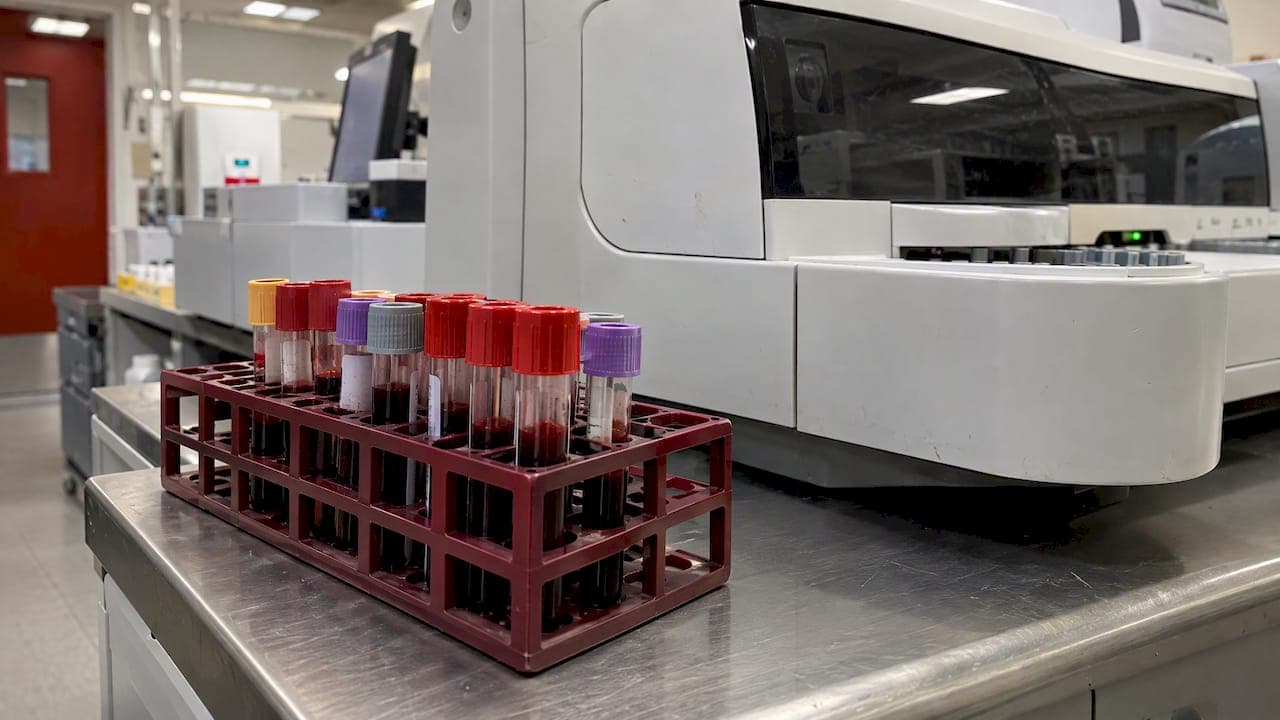
Iron and testosterone talk to each other. Too little iron can go along with lower testosterone, and too much iron, as in hemochromatosis, can shut down the signal that tells your testes to make it. Going the other way, testosterone pulls iron out of storage to build red blood cells, so your ferritin can drop even when nothing is wrong. Before you blame your hormones for being tired, check both.
TL;DR
- Low iron and low testosterone share symptoms: fatigue, low drive, brain fog. You cannot tell them apart by how you feel.
- In a small pilot study, men with iron-deficiency anemia saw testosterone rise after their iron was corrected. It is early evidence, not a promise.
- Iron overload (hemochromatosis) can damage the pituitary and cause low testosterone. More iron is not better.
- Testosterone itself lowers ferritin and raises red blood cell production, so labs need context.
- Ask for ferritin, transferrin saturation and a morning testosterone test before you buy a single supplement.
Table of Contents
- Why men keep asking about iron and testosterone
- The overlap: symptoms that look the same
- Can low iron lower testosterone?
- Can too much iron lower testosterone?
- How testosterone changes your iron numbers
- What to test, and what the results can hide
- Should you take iron to raise testosterone?
- Other things that drain the same tank
- For her: when the tiredness is hurting the marriage
- A simple restoration routine to build on your lab results
- Add a daily habit with RedRockit
- FAQ
- Sources
Why men keep asking about iron and testosterone
You are tired. Recovery is slower. Drive is not what it was. So you search, and two explanations show up: low testosterone and low iron. Both are real. Both can look identical from the inside.
That is the problem. Fatigue is the loudest symptom in both camps, and men over 30 often get a guess instead of a lab. Let's sort out what is known, what is not, and how to find out which one is yours.
The overlap: symptoms that look the same
The Endocrine Society lists the signs of low testosterone in men: reduced energy, reduced muscle mass, low libido, erectile dysfunction or fewer spontaneous erections, lower sperm count, depressed mood or irritability, and trouble concentrating. It also says low testosterone is diagnosed only when those symptoms show up alongside repeatedly low morning testosterone measurements.
Now the iron side. The NHLBI says iron-deficiency anemia may cause fatigue, shortness of breath, chest pain, dizziness or lightheadedness, cold hands and feet, and pale skin. It also notes mild or moderate cases may cause no symptoms at all. MedlinePlus adds restless legs, pica, hair loss, brittle nails, a sore tongue and mouth ulcers.
See the shared ground? Tiredness. A flat mood. Less spark. But look at the differences too. Cold hands, brittle nails, restless legs and cravings for ice or dirt point toward iron. Fewer morning erections and a drop in libido point toward testosterone. Many men have a mix, which is why one lab is never enough.

Can low iron lower testosterone?
There is a plausible link, and it is still early science. A 2014 pilot study of 11 men and women with normal gonadal function and iron-deficiency anemia found that serum testosterone increased after intravenous iron therapy corrected the anemia. Other reports of IV iron in adult men with iron-deficiency anemia describe rises in testosterone, FSH and LH as well, according to this academic report.
Two cautions keep this honest. The studies are small. And they involved people with true anemia, treated under medical supervision. They do not show that a bottle of iron pills lifts testosterone in a man with normal iron. Nothing in this research says that.
What it does suggest: if your body is starved for iron, the hormone system may be running on fumes too. Fix the real shortage and some of the signal may come back.
Can too much iron lower testosterone?
Yes, and this is the side men skip. In hereditary hemochromatosis, the body absorbs too much iron and stores it in organs. An academic review of hypogonadotropic hypogonadism in hemochromatosis explains that iron can damage the pituitary gland. The pituitary is the control room that tells the testes to produce testosterone. Damage it and you get low testosterone with symptoms like lost sex drive and testicular shrinkage.
The same review reports that removing iron by phlebotomy, sometimes with hormone replacement, can restore pituitary function. But recovery is not guaranteed. In one study, only the youngest patient, under 40, had a complete reversal. Stage of disease and age at diagnosis matter.
That is why early detection matters. The AASLD guideline on hemochromatosis recommends identifying and treating the condition early, before damage such as cirrhosis or diabetes develops. If your doctor finds iron overload, the guideline's treatment goal is a ferritin of 50 to 100 ng/mL, and it warns against pushing a man into iron deficiency along the way.

How testosterone changes your iron numbers
The relationship runs the other direction too. In a study of older men with mobility limitation, giving testosterone was associated with suppressed hepcidin (the hormone that keeps iron locked away), more red blood cell production, better iron use, and lower ferritin. The researchers propose that testosterone resets the point at which the body decides it has enough hemoglobin, by raising erythropoietin (EPO) and lowering hepcidin.
In plain words: testosterone tells your body to build more red blood cells, and it pulls iron out of storage to do it. Your hemoglobin goes up. Your stored iron goes down.
What this means for you:
- A man on testosterone therapy can see ferritin fall, and that can be a normal result of the treatment, not a sign he is eating wrong.
- Red blood cell counts are monitored on therapy for a reason. That is part of any conversation with a prescriber.
- A low ferritin in a man who is not on testosterone is still worth chasing. It does not have a free pass.
If you are weighing hormone therapy, our guide on normal testosterone levels in men covers what the numbers mean first.
What to test, and what the results can hide
Do not guess. Three labs give you a real picture.
1. Iron studies. MedlinePlus notes that iron tests assess your iron levels and that low iron can occur without anemia. So a normal hemoglobin does not clear you. Ask for ferritin and transferrin saturation along with a basic blood count.
2. Morning testosterone. Testosterone runs highest early in the day. A single afternoon number is weak evidence. The Endocrine Society says repeated low morning measurements are needed for a diagnosis. We go deeper on timing in our piece on morning testosterone, sleep and strength.
3. Context for ferritin. The AASLD notes that ferritin is an acute-phase reactant and can read falsely high with inflammation, including inflammatory liver disease and other chronic conditions. A "fine" ferritin during an inflamed stretch can mask real deficiency. A high one can overstate how much iron you carry.
If iron overload is a worry because of family history or symptoms, the AASLD recommends measuring transferrin saturation and serum ferritin. If either is abnormal, genetic testing for HFE mutations is the next step, and a transferrin saturation of 45% is a cutoff often used. That is a conversation for your primary care doctor or a hematologist, not a supplement aisle.
| What you notice | Could point to | Worth asking for |
|---|---|---|
| Fatigue, cold hands, pale skin, restless legs | Low iron | Ferritin, transferrin saturation, blood count |
| Low libido, fewer morning erections, low mood | Low testosterone | Two morning total testosterone tests |
| Fatigue, joint aches, low drive, family history of iron problems | Possible iron overload | Transferrin saturation and ferritin |
| Everything above, plus poor sleep and high stress | Often several things at once | The full panel, then a plan |
Should you take iron to raise testosterone?
No. Not on a hunch.
The NIH Office of Dietary Supplements sets the adult upper limit for iron at 45 mg a day. High doses can cause nausea, constipation, abdominal pain, vomiting and diarrhea. Extremely high doses can cause organ failure, coma, convulsions and death. The same page notes high iron doses can also decrease zinc absorption, and zinc is its own piece of the testosterone puzzle. See what the evidence shows in our article on zinc and testosterone.
The safe order of operations:
- Get labs first.
- If you are truly low, work with your doctor on dose and form, and recheck.
- If your iron is normal, skip the extra iron. The studies that saw testosterone rise involved men whose iron deficiency was corrected, not men topping off a full tank.
- If your iron is high, do not supplement at all, and ask about overload.
Multivitamins marketed to men often leave out iron for exactly this reason. Read labels, and ask your doctor before you add any.
Other things that drain the same tank
Iron is one lever. It is rarely the only one. When testosterone and energy both sag after 30, look at the full picture:
- Sleep. Short or broken sleep hits drive and recovery fast. Our breakdown of low libido in your 30s starts here.
- Stress and mood. Depression and low testosterone can look alike, and you may have both. See how to tell depression from low testosterone.
- Liver and metabolic health. These shape SHBG and the testosterone that is actually available to you. Read about low SHBG.
- Your morning habits. Small, repeatable steps count. Try these five morning steps.
For her: when the tiredness is hurting the marriage
If you are a wife or partner reading this because he is exhausted, distant and not himself, you are not imagining it. And he is not lazy. Iron, hormones, sleep and stress can all pull the same thread.
Push him gently toward labs, not toward a fight. If the change has also shifted how the two of you connect, this guide to libido mismatch in marriage gives practical language for the conversation. And our piece on low testosterone and marriage explains why two tests will not fix the disconnect by themselves.
Our perspective: check the foundation, then restore the signal
We built Primal Red Co. for men who feel the shift coming and want to act before bigger decisions are on the table. Iron is a perfect example of why we say: understand your body first.
Too many men hear "just get the shot" as the first answer. We think you deserve better. Get your iron studies and your morning testosterone checked. Rule out the things that can be corrected at the root. That is not anti-doctor. It is pro-man.
Once the basics are handled, daily restoration is where we come in. RedRockit is a private-use red light wellness device designed to support a simple routine aimed at the cellular signal behind male vitality. We are not a clinic. We are not TRT. We do not diagnose or prescribe, and nothing here replaces your doctor's advice.
YOU HAVEN'T LOST IT. The signal may just need support, and the lab work tells you where to start.
Nurse Rachel
A simple restoration routine to build on your lab results
Once you know your numbers and your doctor has handled anything that needs handling, build a routine you can keep. Not a 12-step overhaul. Something that survives a busy week.
- Get labs, then retest on your doctor's schedule.
- Protect sleep like it is part of your job.
- Move and lift. Keep muscle on.
- Eat real food with enough protein, and let your doctor guide any iron decision.
- Add a daily restoration habit you will actually do.
That last piece is where most men fall off. Consistency beats intensity every time.
Add a daily habit with RedRockit
RedRockit is our private-use red light wellness device for men over 30. It is designed to support daily restoration routines for energy, drive, recovery and vitality, and it comes with the Rockit IQ companion app for guided session protocols. There are no subscriptions and no medical appointments to use it, and it is backed by a lifetime craftsmanship guarantee.

It is a wellness tool, not a treatment for iron deficiency, hemochromatosis or low testosterone. See how it fits into a routine on the RedRockit Primal Restoration page, or read about male vitality after 40.
FAQ
Can low iron cause low testosterone?
It may contribute. In a small pilot study, testosterone rose after intravenous iron corrected iron-deficiency anemia. The research is early and limited to people with true deficiency, so confirm with labs before assuming iron is your issue.
Do iron supplements raise testosterone?
There is no solid evidence that iron pills raise testosterone in men with normal iron. The upside seen in studies came from correcting a real deficiency. High doses can cause stomach problems and, at extreme levels, serious harm, so use iron only on your doctor's advice.
Does testosterone therapy lower ferritin?
Often, yes. Research in older men found testosterone suppressed hepcidin, boosted red blood cell production and lowered ferritin. Your prescriber should monitor blood counts while you are on therapy.
Can too much iron cause low testosterone?
Yes. In hemochromatosis, excess iron can damage the pituitary gland and lead to low testosterone and lost sex drive. Treatment with iron removal may restore function in some men, especially when it is caught early.
Can low testosterone go back to normal?
Sometimes, when the cause is fixable. Some men with iron overload recovered hormone function after iron depletion, though age and disease stage affect the odds. For other causes, ask your doctor for a full workup, then see our guide on normal testosterone levels.
Sources
- Testosterone Induces Erythrocytosis via Increased Erythropoietin and Suppressed Hepcidin (PMC)
- Intravenous iron replacement therapy in eugonadal males with iron-deficiency anemia (PMC)
- Intravenous iron replacement therapy in eugonadal males (Indian Journal of Endocrinology and Metabolism)
- Hypogonadotropic hypogonadism in men with hereditary hemochromatosis (PMC)
- Hypogonadism in Men, Endocrine Society
- Iron-Deficiency Anemia, NHLBI
- Iron deficiency anemia, MedlinePlus
- Iron Tests, MedlinePlus
- Diagnosis and Management of Hemochromatosis, AASLD practice guideline
- Deciphering the code of iron overload, AASLD
- Iron fact sheet for consumers, NIH Office of Dietary Supplements
- Libido mismatch in marriage