
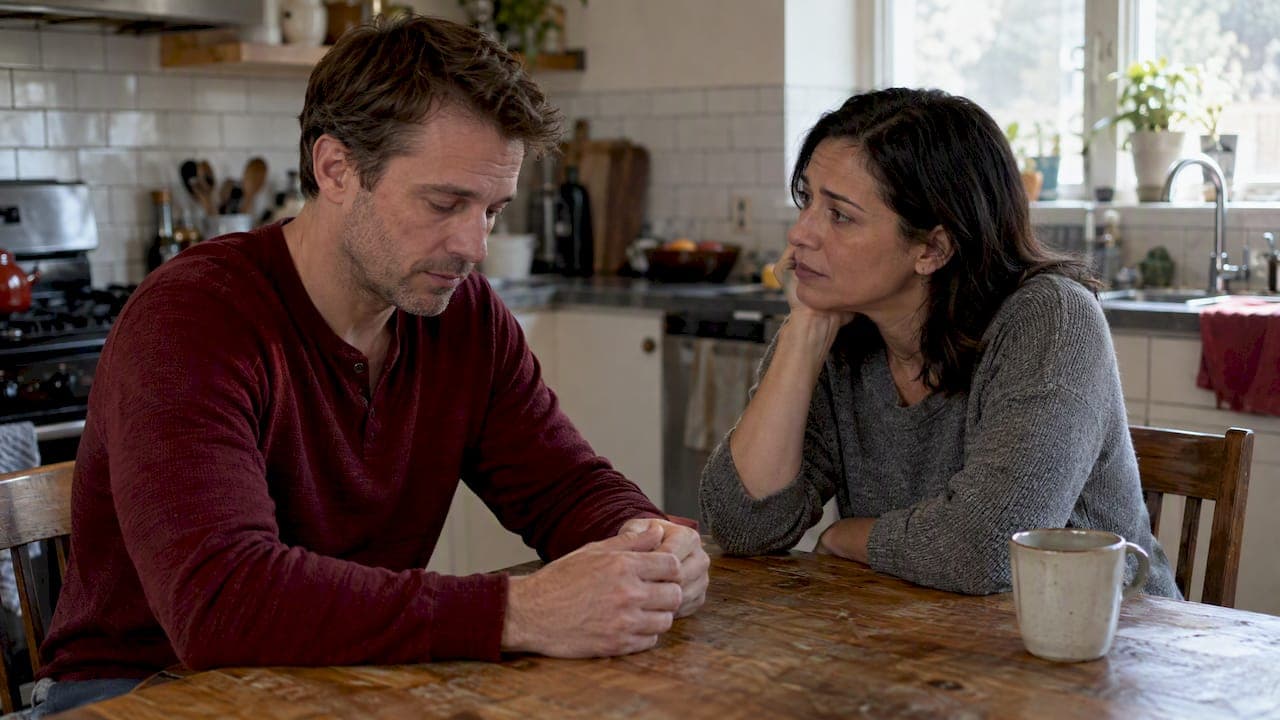
Yes, low testosterone can strain a marriage. It often lowers libido and energy and can worsen mood, and partners frequently notice the shift first. The American Urological Association and the Endocrine Society both tie diagnosis to symptoms plus repeated morning labs. We at Primal Red Co. walk you through that next step together.
TL;DR:
- The AUA treats roughly 300 ng/dL as a support threshold; borderline total testosterone may warrant estimated free testosterone and clinical interpretation.
- Persistent symptoms such as low desire, fatigue, or mood changes overlap with stress, poor sleep, depression, and metabolic conditions; discuss ongoing clusters with a clinician.
- Couples can start with 150 to 300 minutes of aerobic activity weekly, add resistance training, and address sleep and excess weight as reversible contributors.
- Record partner observations without diagnosing, and consider counseling alongside evaluation; discuss fertility and monitoring with a clinician before testosterone replacement.
Table of Contents
- How does low testosterone change desire, energy, and mood at home?
- How do you tell low T from other causes and get tested?
- How do you bring this up without starting a fight?
- What can couples start doing this week?
- What are the early signs of low testosterone that aren't just aging?
- How does low testosterone affect emotional intimacy and the way you talk?
- How can you keep your confidence and sense of self through hormonal changes?
- How do you stay consistent with a restoration routine and track progress honestly?
- A nurse's note on why starting early matters
- A non-prescription, at-home option to add to your routine
- FAQ
- Sources
How does low testosterone change desire, energy, and mood at home?
Here is the pattern we hear about most. Desire fades. Sex happens less often. Erections get unreliable. Then the ripple effects start. He is tired by evening, skips plans, goes quiet at dinner. She reads it as distance, not biology.
The common changes look like this:
- Lower sexual desire and fewer intimate moments, which can feel like rejection to a partner.
- Erectile problems that add embarrassment and avoidance.
- Low energy and drive that show up as social withdrawal and less emotional availability.
- Irritability and flat mood that raise the temperature of everyday arguments.
None of this means the marriage is failing. It means a signal may be off, and both of you are reacting to the fallout without seeing the cause.
The link also runs both ways. A nationally representative longitudinal study of older adults found a bidirectional relationship: sexual activity and relationship quality can modulate testosterone, and testosterone can influence later relationship measures.
Hormones and relationships shape each other, so fixing only one side rarely tells the whole story.
Relationship quality itself isn't a simple straight line, either. Researchers have reported that people in more satisfying relationships can have lower testosterone, which is a reminder to treat symptoms and context together, not chase a number.
How do you tell low T from other causes and get tested?
A low number alone is not a diagnosis. Both the Endocrine Society and the AUA say you need symptoms plus at least two early-morning blood tests showing low testosterone. Testosterone swings through the day and between assays, so a single afternoon draw can mislead. A laboratory medicine review stresses biological and analytical variability and notes that estimated free testosterone may help when total testosterone is borderline.
Here is a practical checklist:
- Note symptoms: low libido, fatigue, mood changes, erection trouble.
- Book early-morning blood draws, and expect a repeat test to confirm.
- Know that the AUA uses a total testosterone cutoff of roughly 300 ng/dL as a reasonable support threshold. Labs vary, so your clinician interprets the result alongside symptoms.
- Review reversible contributors first: excess weight, sleep apnea, medications, and metabolic disease like diabetes.
- Ask for a referral if results are borderline, symptoms are severe, or fertility matters.
Pro Tip: Keep the testing window consistent, write down your symptoms beforehand, and bring that list to the appointment.
Clinicians usually judge response over weeks to months, with monitoring along the way. Not sure if it's mood or hormones? Our guide on telling depression from low testosterone explains why the morning test matters.
How do you bring this up without starting a fight?
Lead with what you see and what you want together. Skip the diagnosis and the blame. Try these steps:
- Open with an I-statement. "I've noticed I'm wiped out by evening, and I miss feeling close to you. I want to figure out why."
- Name the shared goal. "I'd like us to feel like us again. Can we look into this together?"
- Document, don't diagnose. Partners can jot down dates and behaviors (less sex, more irritability, poor sleep) and share them with the clinician as observations, not accusations.
- Add support alongside medical care. If tension or avoidance has built up, couples counseling or sex therapy can run next to the evaluation, not after it.
- Set expectations. Agree that testing takes time, that some days will be rough, and that either of you can call a pause on the heavy conversations.
Partners often notice changes before the patient does. A small interview-based study found that partners perceived improvements in wellbeing and sexual functioning once testosterone replacement began. That says something about how visible this is from the outside, and why her voice belongs in the process.
What can couples start doing this week?
Start with the basics that move the needle for functional low testosterone, the kind tied to weight and metabolic health. Obesity is the single most significant risk factor, and obesity-related secondary hypogonadism is often reversible with substantial weight loss. A review of functional hypogonadism strongly recommends lifestyle interventions before pharmacological substitution.
- Move together. Aim for 150 to 300 minutes of aerobic activity a week when you can, plus resistance training. Walking after dinner counts as a start.
- Protect sleep. Keep regular bedtimes, cut late screens, and get snoring checked, since sleep apnea is a reversible contributor. Research in Asian men links longer sleep and higher-intensity exercise with higher testosterone.
- Check mental health. Depression and some antidepressants can dampen libido. If medication is in the mix, this follow-up guide explains timelines and when to act.
- Rebuild touch. Schedule intimacy and add low-pressure affection with no goal attached.
Pro Tip: Pick a lifting plan and stick to it. A simple men's routine beats a perfect plan you drop by Friday.
Testosterone replacement is a medical option for diagnosed deficiency, with monitoring and fertility questions to settle with a clinician. For conservative steps worth trying first, see our list and our low libido guide.
What are the early signs of low testosterone that aren't just aging?
Aging slows everyone down a little. Low testosterone can feel different: it's a drop, not a drift. You may notice a change from how you used to be, rather than a gradual shift.
Watch for these clues:
- Desire that disappears, not just dips, and morning erections that quietly stop.
- Fatigue that sleep doesn't fix.
- Motivation that has been missing for a while.
- Mood that turns short-fused or flat for no clear reason.
- Slower recovery after workouts you used to handle.
Here is the catch: nearly all of these overlap with stress, poor sleep, depression, and metabolic trouble. So the signal that matters is a cluster that persists, plus the pattern. If several of these have shown up together and persist, that's worth discussing with a clinician.
Don't wait for a crash. Waiting is how a fixable problem becomes a marriage problem. If your sleep, weight, and stress are in check and the symptoms stay, ask for the two morning tests. If the labs come back normal, you've ruled out one suspect and can look at the others with a clear head.
The point of catching it early is simple: more options, less pressure, and a partner who understands what's happening instead of guessing.
How does low testosterone affect emotional intimacy and the way you talk?
Intimacy isn't only sex. It's the sense that someone is with you. Low testosterone can quietly erode that. When energy and drive drop, a man may go silent, snap over small things, or retreat to the couch. His partner may read that as anger, boredom, or loss of love.
Communication styles shift in predictable ways. He withdraws to avoid conflict. She pursues to reconnect. The more she pursues, the more he withdraws. That loop can look like a deeper problem than it is.
A study of men with sexual dysfunction found that couple relationship impairment was associated with overt hypogonadism, and that sexual activity, erectile function, and relationship quality are interconnected. Treating one piece without the others often falls short.
There's good news on the repair side. A study on treating male hypogonadism found that sexual function and satisfaction can improve for both patients and partners, and partners often notice better energy, mood, and connection afterward.
So try this: name the pattern out loud. "When I go quiet, it's not you. I'm drained." Then give her a role: noticing, nudging, showing up to the appointment. Small honesty beats long silence every time.

How can you keep your confidence and sense of self through hormonal changes?
You haven't lost it. That's worth saying twice. A hormone problem is a medical fact, not a verdict on your manhood.
Confidence tends to follow action, not the other way around. Here is what helps men hold their footing:
- Separate the signal from the self. Low drive is a symptom. You are not the symptom.
- Take a win a day. Lift, walk, cook, finish the thing you said you'd do. Evidence of capability rebuilds identity faster than pep talks.
- Stay connected to your roles. Keep showing up as a parent, partner, worker, or friend. Withdrawing feeds the story that you've lost something.
- Talk to someone. A buddy, a clinician, a therapist. Silence makes shame grow.
- Keep your body moving. Strength work does double duty: it supports metabolic health and reminds you what your body can still do.
If you're curious how testosterone ties into self-assurance, our breakdown of what the trials show on confidence gives the fuller picture.
Be patient with the ups and downs. Some mornings you'll feel like yourself. Some you won't. The goal is a trend, not a perfect day.
How do you stay consistent with a restoration routine and track progress honestly?
There's no quick fix here. Quick fixes are how men end up chasing the next shot, the next pill, the next promise. A routine works because it's boring and repeatable.
Build it small:
- Pick two or three daily anchors: a morning walk, a lifting block, a fixed bedtime.
- Give them time before judging. Clinicians typically assess response over weeks to months, and your routine deserves the same patience.
- Track what you can see: sleep, workouts completed, energy, mood, and how often you and your partner connect.
- Review it together regularly, with no lecture.
- Keep any lab work on the clinician's schedule, with consistent morning timing.
Expect plateaus. Expect a rough week after a good one. What matters is whether the overall trend points up.
Escalate when it makes sense. If symptoms persist despite solid habits, or labs come back clearly low, that's the moment to go back to your clinician about next steps. A routine isn't a substitute for medical care. It's the foundation that makes every other option work better.
A nurse's note on why starting early matters
I hear the same worry from couples all the time: "Is it us, or is it his hormones?" Often it's both, and that's okay. The strain is real, and so is the way out. My advice is to act together. Pair lifestyle changes, honest conversation, and a proper medical evaluation instead of picking just one. Start small, keep your partner in the loop, and give it time. For more on what to try first, read our steps.
A non-prescription, at-home option to add to your routine

If you want a daily routine that doesn't involve a prescription, we built the RedRockit™ Primal Restoration device. Here is what to know:
- It's an at-home red light wellness device meant to support a daily restoration routine.
- It may suit men over 30 who want a proactive, non-clinical habit.
- It doesn't replace testing or medical care, so clinical concerns still belong with a clinician.
Curious about the science and the routine? Read about red light therapy and testosterone, then see the full details on the RedRockit page. Current prices are on our site.
This article is general information, not a substitute for advice from a qualified doctor. Consult a qualified healthcare professional about your own circumstances before acting on anything here.
FAQ
What are the normal testosterone levels for men?
Normal ranges vary by lab and assay, so your clinician reads your result alongside your symptoms. The AUA guideline uses a total testosterone cutoff of roughly 300 ng/dL as a reasonable support threshold for diagnosis. Two early-morning tests are needed to confirm.
Can low testosterone cause weight gain in men?
It can be part of a two-way loop. Obesity is a major risk factor for low testosterone, and research on obesity-related hypogonadism shows it is often reversible with substantial weight loss. Lifestyle change is the cornerstone of management.
How can you improve testosterone levels?
Start with the basics: weight management, regular aerobic and resistance exercise, and steady sleep. A review of functional hypogonadism strongly recommends lifestyle interventions. If symptoms and repeat morning labs point to a true deficiency, talk with a clinician about medical options.
Can low testosterone hurt a relationship even if labs are borderline?
Symptoms can still strain a relationship even when numbers sit near a cutoff. A laboratory review notes that estimated free testosterone may be considered when total testosterone is borderline. Bring your symptom log and ask your clinician how to interpret the whole picture.
Sources
- Adult Male Hypogonadism: A Laboratory Medicine Perspective on Its Diagnosis and Management - PMC
- Male Obesity-related Secondary Hypogonadism – Pathophysiology, Clinical Implications and Management - PMC
- Social Modulation or Hormonal Causation? Linkages of Testosterone with Sexual Activity and Relationship Quality in a Nationally Representative Longitudinal Sample of Older Adults - PubMed
- Hypogonadism in Men | Endocrine Society
- Evaluation and Management of Testosterone Deficiency: AUA Guideline