
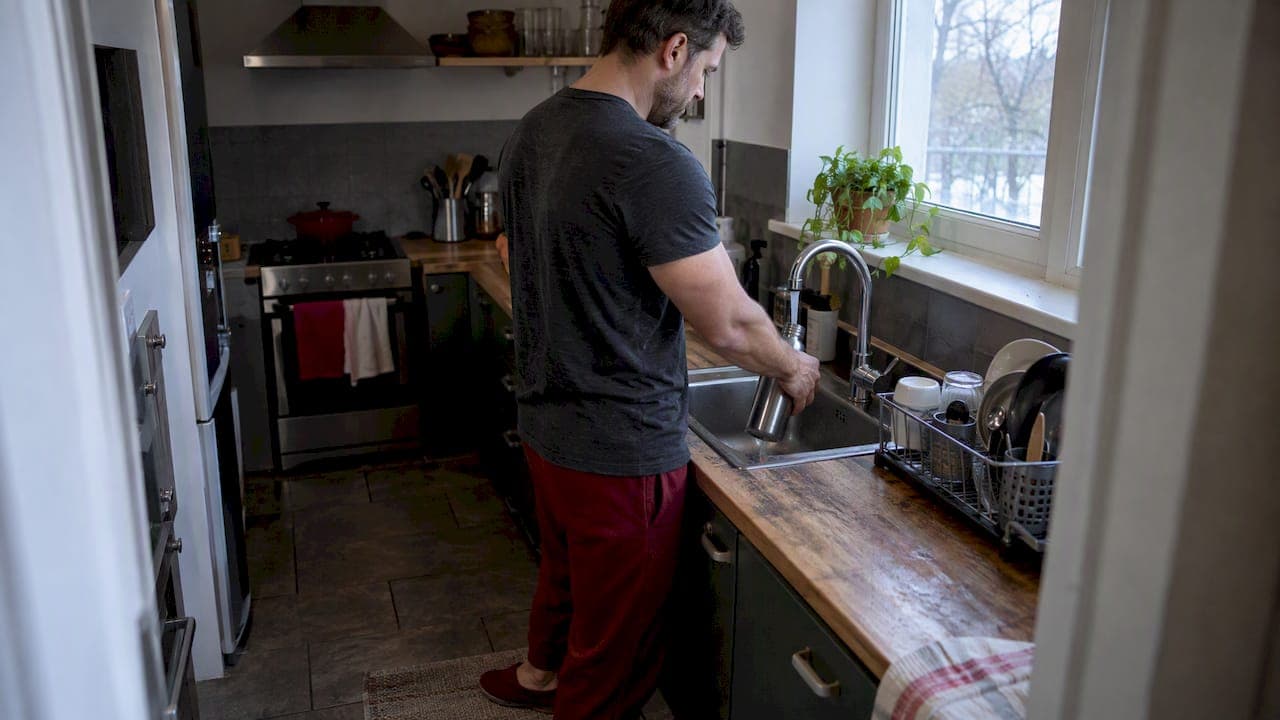
The single most effective morning routine for testosterone is the simplest one you will actually repeat: natural light, water, five to fifteen minutes of movement, then a protein-forward breakfast within two hours. Sleep and weight management do the heavy lifting behind the scenes. This routine is built around what men can sustain, not what looks impressive on a checklist.
TL;DR:
- Doing a five to fifteen-minute resistance workout in the morning helps regulate your circadian rhythm and supports long-term testosterone health.
- Hydrating with water and getting natural light within 30 minutes of waking are the most cost-effective ways to boost testosterone production.
- Sleep quality, weight management, and avoiding stress and alcohol have a far greater impact on testosterone levels than morning routines or supplements.
- Consistent morning habits like light, water, movement, and protein intake should be prioritized over supplements or complex checklists.
- Testing testosterone levels requires early-morning fasting blood draws, and persistent low symptoms warrant medical evaluation and confirmation.
Table of Contents
- The minimum viable morning five
- Why morning matters: circadian rhythm and testing timing
- Morning movement and exercise: what helps, what's temporary
- Nutrition and rehydration for hormonal support
- Light, red light, and cold: optional tools worth understanding
- Morning testosterone killers to cut out
- When to test and when to see a clinician
- Nurse Rachel's perspective: build a routine you can keep
- Morning stress and meditation: a small lever worth pulling
- Supplement timing: what to take and when
- Endocrine disruptors hiding in your morning routine
- What the research actually supports, and what gets overblown
- RedRockit: where red light fits into the morning five
- FAQ
- Sources
The minimum viable morning five
You do not need an hour. You need five things, done in order, most mornings.
- Light first. Step outside within about 30 minutes of waking for 5 to 10 minutes. No sunglasses. This anchors your circadian rhythm, the clock that governs your testosterone peak.
- Rehydrate. Drink 12 to 16 ounces of water before coffee. Add a pinch of salt or an electrolyte packet if you wake up foggy or sweat heavily overnight.
- Move. Five to 15 minutes: a few mobility drills, then two to four compound bodyweight or resistance moves like squats, push-ups, or a loaded carry.
- Cold, if you want it. One to three minutes of a cold shower. Optional. Skip it if you have a cardiac condition or genuinely cannot tolerate cold.
- Eat protein. A protein-forward meal within one to two hours of waking. Hold caffeine for 60 to 90 minutes after you wake to avoid stacking it on top of your natural cortisol curve.
Short on time? Do light and water, then eat. Training day? Stretch movement to 20 minutes and save heavy lifting for later.
Pro Tip: Stack the five steps right after you brush your teeth so they attach to a habit you never skip.
Why morning matters: circadian rhythm and testing timing
Testosterone follows a daily rhythm. It peaks in the early morning and declines through the day, driven largely by deep sleep cycles overnight. That is why clinicians draw morning blood samples for diagnostic accuracy in younger men, and why a single low reading gets repeated before anyone calls it hypogonadism. Diurnal variation narrows with age, so older men show a flatter curve.
- Early-morning fasting draws remain the standard for an accurate reading.
- A low result should be confirmed with at least one additional morning sample.
- Protecting sleep outranks any single morning habit for testosterone support.
Sleep restriction causes measurable declines in testosterone and disrupts the circadian peak that produces morning readings in the first place, according to research on sleep restriction and testosterone. Fix your sleep before you obsess over the rest of the routine.
Morning movement and exercise: what helps, what's temporary
Short resistance-focused movement in the morning does two jobs: it signals your circadian system that the day has started, and it builds the strength and body composition that drive long-term testosterone health, making it a key part of sustainable weight management as explained in Sustainable Weight Loss Habits for Busy Professionals. Save your heaviest lifting sessions for when you are fully fueled and recovered, not fasted at 6 AM.
Resistance training and high-intensity exercise can acutely raise testosterone, but the size of that bump varies by exercise type, intensity, and who is doing it. The lasting benefit comes from what exercise does to your body composition over months, not the spike itself.
- Aim for two to four resistance sessions per week, large muscle groups first.
- Give heavy sessions at least 48 hours of recovery between them.
- Watch for warning signs of overtraining: persistent fatigue, mood changes, and stalled performance.
Pro Tip: Treat your morning movement as a signal, not a workout. Save the real training for later in the day when you can lift heavier and recover better.
Nutrition and rehydration for hormonal support
Hydration comes before anything else. You lose fluid overnight through breathing and sweat, and that mild dehydration raises cortisol, which works against testosterone.
- Drink 12 to 16 ounces of water on waking, before coffee.
- Add electrolytes on hot days, after heavy sweating, or after alcohol the night before.
- Build breakfast around protein-forward foods: eggs, Greek yogurt, cottage cheese, or a simple protein shake.
- Hold caffeine for 60 to 90 minutes after waking so it does not compound your natural cortisol spike.
None of this requires a supplement cabinet. It requires the same grocery list most men already have.
Light, red light, and cold: optional tools worth understanding
Natural sunlight within half an hour of waking is the cheapest circadian tool you have, and it doubles as your main source of vitamin D exposure. Five to 15 minutes is enough for most men; consistency matters more than duration.
Red light therapy sits in a different category. It is not sunlight and it is not a drug. Used as a short, regular morning practice, it is best understood as an adjunct that some men build into their red light morning routine alongside the basics above, not a replacement for them.
- Sunlight: 5 to 15 minutes outdoors, same time daily.
- Red light: a short session layered on top of light, water, and movement, never instead of them.
- Cold exposure: one to three minutes, skip it if you have heart disease or cold intolerance.
Experts warn against complicated morning checklists. The behaviorally effective approach is a minimum viable routine: water, light, and movement, done consistently.
Morning testosterone killers to cut out
A few habits undo the work of the routine before you even notice.
- Alcohol the night before, which suppresses overnight hormone production.
- Chronic stress and elevated cortisol, which compete with testosterone for the same raw materials.
- Fragmented or short sleep, the single biggest lever you control.
- Late-night eating that disrupts sleep architecture.
- Overtraining without adequate recovery between sessions.
Swap in a consistent bedtime, a short wind-down without screens, and planned rest days. That short list does more than any morning add-on.
When to test and when to see a clinician
A morning routine supports testosterone. It does not diagnose or fix a genuine deficiency.
- Persistent low libido that does not respond to sleep and lifestyle changes.
- Unexplained muscle loss or strength decline.
- Severe, ongoing fatigue that outpaces your training load.
If any of those sound familiar, get an early-morning fasting blood draw and repeat a low result before accepting it. Lifestyle changes are the recommended first-line approach for many men with borderline numbers, with therapy reserved for men who have both confirmed low labs and consistent symptoms. Sleep apnea screening is worth asking about too: fixing sleep architecture often moves the needle more than any morning habit.
Nurse Rachel's perspective: build a routine you can keep
The men who stick with this do less, not more. They skip the cold plunge on a rough morning and never skip water. Consistency beats intensity every time I have watched men try to rebuild their energy.
This routine is maintenance, one piece of a larger picture that includes sleep, training, and body composition. It will not replace a diagnosis, and it is not meant to.
Morning stress and meditation: a small lever worth pulling
Cortisol and testosterone share raw material and compete for attention inside your body's stress response. A spike in morning cortisol from rushing, doom scrolling, or a stressful commute works against the hormonal state you just built with light and movement.
You do not need a meditation app or a silent retreat. Five minutes of slow breathing, a short walk without your phone, or a few minutes of quiet before checking email lowers that stress load before it compounds. Men who build in a short buffer before the day's demands hit tend to report steadier energy through the morning, not just calmer nerves.

The specific technique matters less than the timing. Do it before you open your phone, not after. Once the inbox is open, the cortisol response is already running.
Supplement timing: what to take and when
Supplements are not the foundation here. Sleep, training, and weight management carry the real weight, and no supplement replaces them. That said, timing matters for the few that have a reasonable rationale.
Vitamin D, when levels are low, is best taken with a morning meal that contains some fat, since it is fat-soluble. Zinc and magnesium, when a man's diet runs short on either, are often taken in the evening because they can support sleep quality, which circles back to the biggest driver of morning testosterone. Anything marketed as a direct testosterone booster deserves a skeptical read: the evidence behind most of them is thin compared to sleep and body composition work.
If you take anything, take it consistently and track whether it changes how you feel over a few months, not a few days.
Endocrine disruptors hiding in your morning routine
Your bathroom cabinet may be working against you before you even leave the house. Many personal care products, plastics, and some canned goods contain compounds that can interfere with hormone signaling.
A few practical swaps: store your morning water in glass or stainless steel instead of a reused plastic bottle, especially one that has been through a dishwasher or left in a hot car. Check shaving cream, cologne, and deodorant labels for parabens and phthalates, and favor fragrance-free or simpler formulations when you can find them. Skip the habit of microwaving food in plastic containers, which is more of a breakfast and lunch issue than a morning-specific one, but worth mentioning since so many men reheat leftovers before work.
None of this is about perfection. It is about reducing unnecessary exposure in the handful of products you touch every single morning.

What the research actually supports, and what gets overblown
Here is the uncomfortable truth: the morning routine itself is not the main event. Sleep and weight management are. Moderate weight loss in men with obesity is tied to meaningful increases in testosterone, driven by less aromatase activity in fat tissue and better insulin sensitivity. That single change often moves the number more than any amount of cold water or sunlight ever will.
Conventional advice oversells the morning hack and undersells the boring stuff. Cold plunges and red light sessions make for better content than "lose 15 pounds and fix your sleep schedule," but the second one does more work. The men who get frustrated with their energy levels are usually chasing the flashy five percent and ignoring the unglamorous 95 percent.
Prioritize sleep first. Then weight and body composition. The morning five is the glue that holds those bigger habits together, not a replacement for them.
— Nurse Rachel
RedRockit: where red light fits into the morning five
A five to 10 minute red light session can slot right after your movement block, before breakfast, as one more consistent signal in a morning built on fundamentals. RedRockit is a private-use, non-pharmaceutical, non-prescription restoration device designed for men who want a simple way to support energy and recovery without adding a clinic visit or a subscription to their week.

- No ongoing dependence or recurring appointments required.
- Fits into the same five-to-fifteen-minute window as your morning movement.
- Backed by a lifetime craftsmanship guarantee.
If the minimum viable routine above feels like the right starting point, see how RedRockit fits into your morning and decide if it belongs in yours.
This article is general information, not a substitute for advice from a qualified doctor. Consult a qualified healthcare professional about your own circumstances before acting on anything here.
FAQ
How can you boost testosterone in the morning?
Get outside for 5 to 10 minutes of natural light, drink 12 to 16 ounces of water, then do 5 to 15 minutes of light resistance or mobility movement before eating a protein-forward breakfast. These steps support the circadian signal your body uses to regulate its natural morning testosterone peak.
Does not ejaculating for seven days increase testosterone?
Short-term abstinence does not reliably produce a meaningful, lasting increase in testosterone for most men. Sleep quality, body composition, and stress management have a far bigger and better-documented effect on your baseline levels.
Do morning workouts increase testosterone?
Resistance training can produce a temporary rise in testosterone, but the size of that effect varies widely depending on intensity, volume, and the individual. The lasting benefit comes from the body composition changes that consistent training produces over months, not the short-term spike itself.
What time of day is a man's testosterone lowest?
Testosterone typically peaks in the early morning and declines through the day, reaching its lowest point in the evening. This is why clinical guidelines call for early-morning blood draws when testing for an accurate diagnostic picture.
When should a man get his testosterone tested?
If you notice persistent low libido, unexplained muscle loss, or fatigue that lifestyle changes do not resolve, ask for an early-morning fasting blood draw. A single low result should be confirmed with a repeat morning sample before any diagnosis is made.
Sources
- Lifestyle Changes That Can Increase Testosterone Levels in Older Men | University of Utah Health
- Impact of sleep restriction on testosterone (systematic evidence)
- Clinical guidance on timing of testosterone measurement (review) | PMC
- Treating low testosterone levels - Harvard Health