
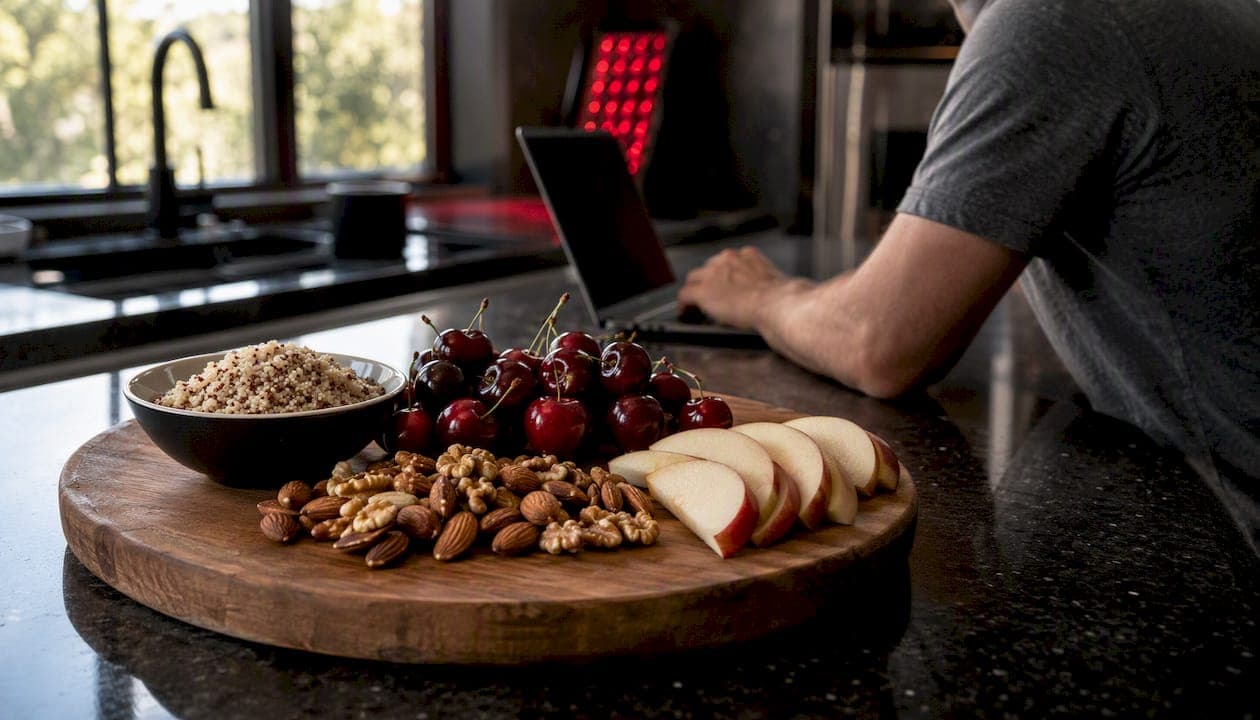
If you want to support healthy testosterone through diet, start here: oysters, fatty fish like salmon and mackerel, eggs, leafy greens, pumpkin seeds, avocados, extra virgin olive oil, onions, garlic, and pomegranate. Each one delivers a nutrient your body uses to produce or protect testosterone — zinc, vitamin D, healthy fats, magnesium, or antioxidants.
- Oysters — highest dietary source of zinc, a direct cofactor in testosterone synthesis.
- Fatty fish (salmon, mackerel) — vitamin D and omega-3s, both tied to hormonal health
- Eggs — dietary cholesterol and fat-soluble nutrients; testosterone is built from cholesterol
- Leafy greens (spinach, kale) — magnesium, which correlates with healthier testosterone ranges
- Nuts and seeds (pumpkin seeds, walnuts, almonds) — magnesium, zinc, and healthy fats in one snack
- Avocados — monounsaturated fat and boron, a trace mineral linked to testosterone metabolism
- Extra virgin olive oil — the anchor fat of the Mediterranean diet, associated with better hormone profiles
- Onions and garlic — preliminary anti-inflammatory evidence and antioxidant compounds
- Pomegranate — antioxidant-rich; experts link reduced oxidative stress to protected testosterone-producing cells
Pro Tip: Scramble two eggs with a handful of spinach for breakfast, then do salmon drizzled with olive oil at dinner. You hit zinc, vitamin D, magnesium, and healthy fats in two meals without overthinking it.
Diet supports testosterone. It does not replace a clinical evaluation if you have real symptoms of low T.
Key Takeaways
The most effective dietary strategy for testosterone is a Mediterranean-style eating pattern built around zinc, vitamin D, magnesium, and healthy fats, combined with weight management, quality sleep, and resistance training.
| Point | Details |
|---|---|
| Prioritize zinc and healthy fats | Oysters, pumpkin seeds, eggs, and olive oil supply the raw materials testosterone is built from. |
| Add fatty fish twice a week | Salmon and mackerel deliver vitamin D and omega-3s, both linked to healthier testosterone levels. |
| Cut alcohol and processed sugar | Heavy alcohol disrupts endocrine function; high-sugar diets drive fat gain and suppress testosterone. |
| Weight, sleep, and exercise matter most | Dietary changes compound fastest when paired with weight management and seven-plus hours of sleep. |
| Primal Red Co | RedRockit supports daily restoration routines for men over 30 as an adjunct to diet and lifestyle. |
Table of Contents
- 1. Oysters — the zinc powerhouse
- 2. Fatty fish like salmon and mackerel give you vitamin D and omega-3s
- 3. Eggs supply the raw material testosterone is made from
- 4. Leafy greens like spinach and kale deliver magnesium
- 5. Nuts and seeds — especially pumpkin seeds — cover multiple bases at once
- 6. Avocados bring monounsaturated fat and boron
- 7. Extra virgin olive oil anchors the Mediterranean pattern
- 8. Pomegranate and berries fight oxidative stress
- 9. Onions and garlic — underrated and easy to add
- 10. Lean red meat and quality protein sources
- Key nutrients that drive testosterone production
- What actually lowers testosterone — and what to cut back on
- A realistic timeline and a 7-day meal plan to start now
- What the research actually says about diet and testosterone
- Does meal timing affect testosterone levels?
- Hydration and hormone balance
- Combining diet with stress management for maximum effect
- A direct note to men who are done waiting
- RedRockit fits alongside your diet, not instead of it
- Sources
1. Oysters — the zinc powerhouse
No food delivers zinc more efficiently than oysters. Six medium oysters supply more than the entire recommended daily value for zinc, and zinc is a direct cofactor in the enzymatic pathway that produces testosterone. When zinc drops, so does the signal.
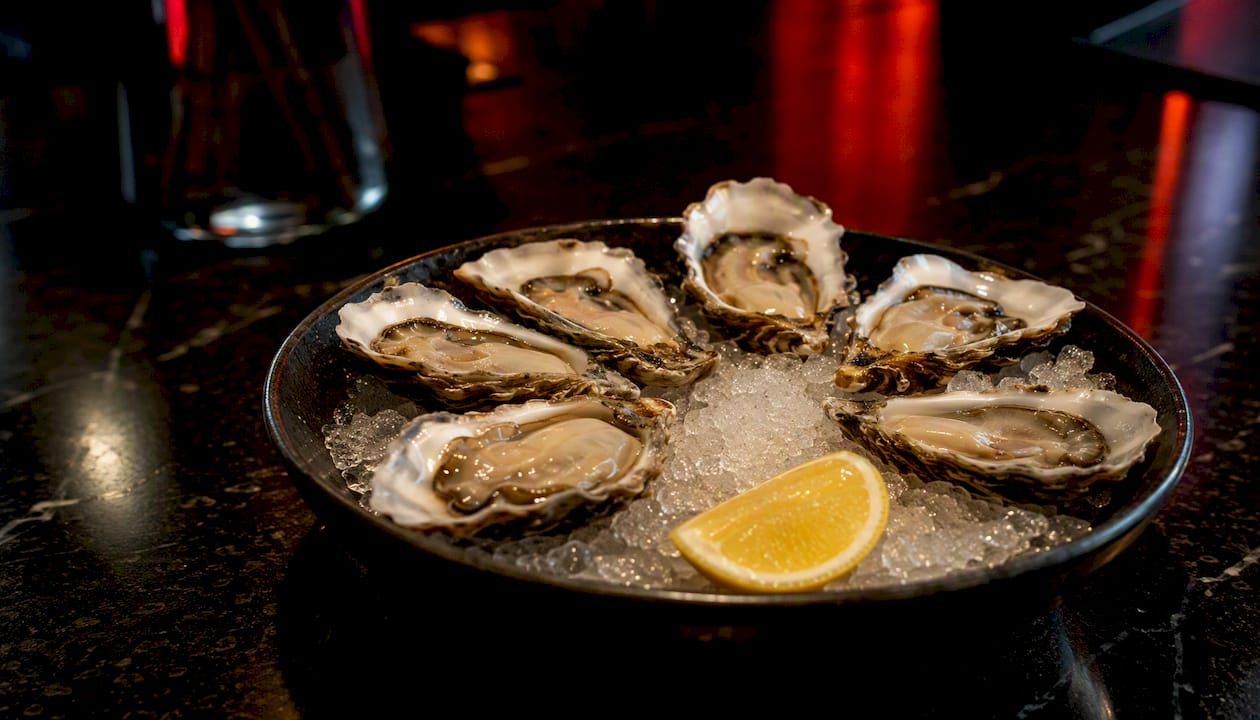
You do not need to eat oysters every day. A few servings a month, or a weekly half-dozen at a good raw bar, keeps your zinc stores solid. If fresh oysters are not accessible, canned oysters work and cost a fraction of the price.
2. Fatty fish like salmon and mackerel give you vitamin D and omega-3s
Vitamin D and testosterone have a well-documented relationship. Multiple observational studies show that men with adequate vitamin D status tend to have healthier testosterone levels, and interventional data suggest repletion helps men who are genuinely deficient. Fatty fish is one of the few foods that actually delivers meaningful dietary vitamin D alongside omega-3 fatty acids, which research links to hormonal health through anti-inflammatory pathways.
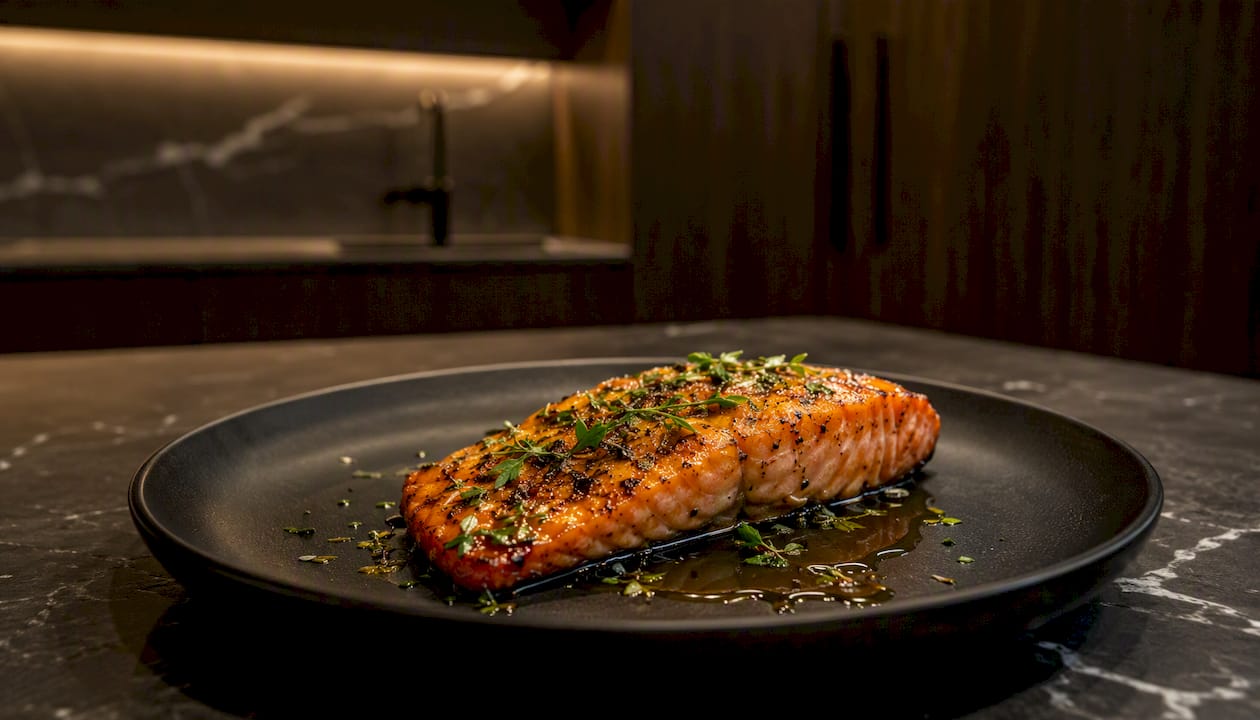
Two servings of fatty fish per week is a realistic, sustainable target. Salmon, mackerel, sardines, and trout all qualify. Grill it, bake it, or eat it straight from a can over greens with olive oil.
3. Eggs supply the raw material testosterone is made from
Testosterone is a steroid hormone, and steroid hormones are synthesized from cholesterol. Eggs provide dietary cholesterol along with fat-soluble vitamins and high-quality protein. The fear of eggs that dominated nutrition advice for decades has largely been walked back — for most healthy men, a few eggs several times a week is a net positive, not a risk.
Whole eggs, not just whites. The yolk is where the nutrients live.
4. Leafy greens like spinach and kale deliver magnesium
Magnesium is underrated in the testosterone conversation. Clinical data show that magnesium intake correlates with healthier testosterone ranges, particularly when deficiency exists. Spinach, kale, and Swiss chard are among the best food-based sources. A large handful of spinach sautéed in olive oil with garlic takes four minutes and covers a meaningful portion of your daily magnesium target.
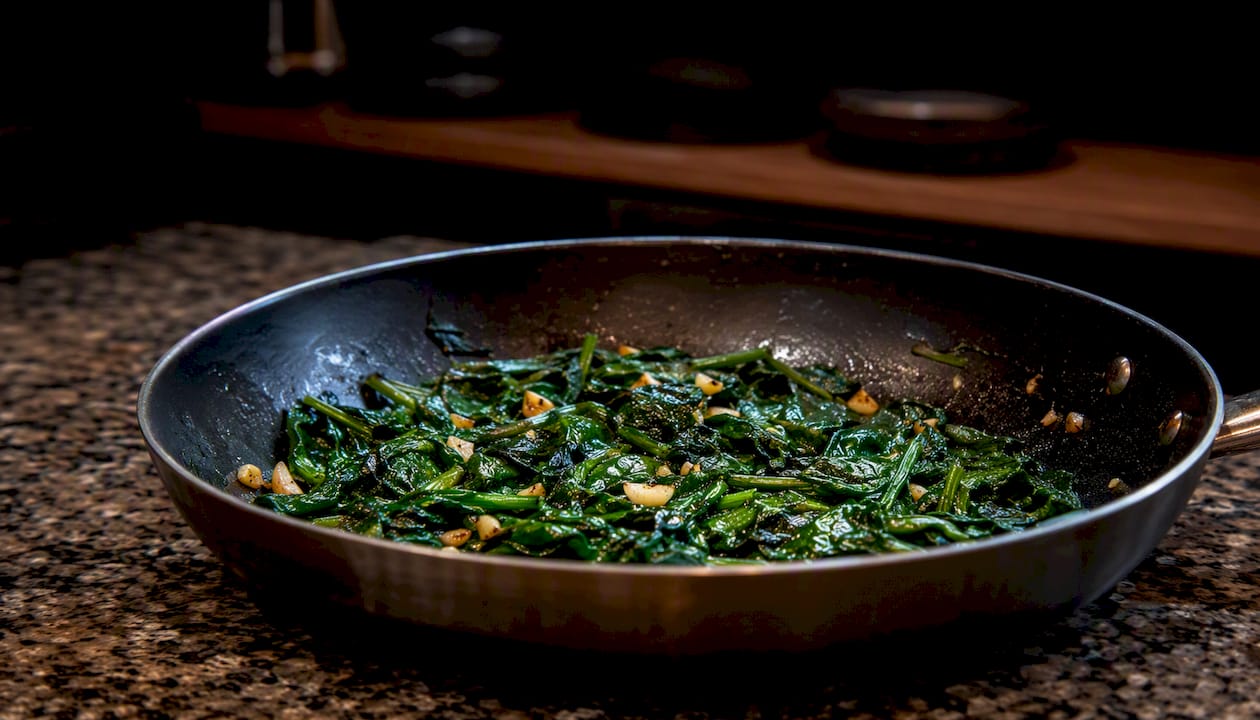
Most men eating a standard American diet are running low on magnesium. That matters more than most people realize.
5. Nuts and seeds — especially pumpkin seeds — cover multiple bases at once
Pumpkin seeds are one of the most nutrient-dense snacks you can eat for hormonal health. They supply zinc, magnesium, and healthy fats in a single handful. Walnuts add omega-3s. Almonds contribute magnesium and vitamin E. Together, this category fills gaps that most men's diets leave open.
A small handful of mixed seeds and nuts as an afternoon snack beats a protein bar on almost every nutrient metric that matters for testosterone.
6. Avocados bring monounsaturated fat and boron
Healthy fat is not optional for testosterone production. Your body needs dietary fat to manufacture steroid hormones, and avocados deliver monounsaturated fat alongside boron, a trace mineral that some research suggests plays a role in testosterone metabolism. Half an avocado on eggs in the morning or sliced over a salad at lunch is one of the easiest upgrades you can make.
7. Extra virgin olive oil anchors the Mediterranean pattern
Extra virgin olive oil is not just a cooking fat. It is the foundation of the dietary pattern that a 2025 systematic review identified as the most consistently supportive of testosterone across multiple nutrient pathways. Harvard Health guidance also names it among the foods associated with better testosterone outcomes. Use it as your primary cooking fat and as a finishing drizzle on vegetables, fish, and grains.
8. Pomegranate and berries fight oxidative stress
Oxidative stress and inflammatory cytokines like TNF-α and IL-6 directly impair testicular function. Review evidence shows antioxidant-rich diets can protect the cells responsible for testosterone production. Pomegranate is one of the most antioxidant-dense fruits available. Blueberries, strawberries, and blackberries are practical daily additions that work the same mechanism.
Think of these as your body's internal defense system. Feed it.
9. Onions and garlic — underrated and easy to add
The evidence for onions and garlic is preliminary compared to fatty fish or oysters, but the anti-inflammatory and antioxidant compounds in both foods fit the broader pattern of a hormone-friendly diet. Garlic in particular has been studied in animal models for its effects on testosterone-related pathways. Human data is limited, but the downside of eating more garlic and onions is essentially zero. Cook with both freely.
10. Lean red meat and quality protein sources
Protein is the structural material for muscle, and muscle mass is directly tied to testosterone signaling. Lean red meat also supplies bioavailable zinc and iron, two minerals that matter for hormonal health. Grass-fed beef, bison, and lean cuts of pork all qualify. You do not need to eat red meat daily, but two to three servings a week as part of a varied diet keeps your zinc and protein intake where it needs to be.
Pro Tip: Pair your fatty fish with a drizzle of olive oil rather than a low-fat sauce. Vitamin D is fat-soluble, so eating it alongside healthy fat improves absorption.
Key nutrients that drive testosterone production
The foods above matter because of what they carry. Here is the nutrient-level picture.
Testosterone production depends on a short list of raw materials and protective cofactors. Zinc triggers the enzymatic cascade that produces testosterone. Vitamin D functions more like a hormone than a vitamin, and its receptors appear in testicular tissue. Magnesium supports free testosterone by reducing the binding protein that locks testosterone out of circulation. Healthy fats provide the cholesterol backbone that steroid hormones are built from. Antioxidants protect the Leydig cells in the testes from oxidative damage that would otherwise reduce their output.
| Nutrient | Role for testosterone | Top food sources | Practical daily target |
|---|---|---|---|
| Zinc | Cofactor in testosterone synthesis | Oysters, pumpkin seeds, lean red meat | daily target (adult men); food-first |
| Vitamin D | Supports testicular function; deficiency linked to lower T | Fatty fish, egg yolks, UV-exposed mushrooms | adequate IU from food; test status before supplementing |
| Magnesium | Reduces SHBG binding; correlates with free testosterone | Spinach, almonds, pumpkin seeds, dark chocolate | daily magnesium from food |
| Healthy fats | Cholesterol precursor for steroid hormone synthesis | Olive oil, avocado, eggs, fatty fish | Replace processed seed oils; no strict gram target |
| Protein | Supports muscle mass and testosterone signaling | Lean meat, fish, eggs, legumes | a moderate amount per body weight |
| Antioxidants | Protect Leydig cells from oxidative damage | Pomegranate, berries, leafy greens, garlic | Varied colorful produce daily |
A few practical notes:
- Zinc: pumpkin seeds and oysters are your fastest food-based routes; absorption is better from animal sources
- Vitamin D: NIH research supports checking your serum 25(OH)D level before adding high-dose supplements; food and sensible sun exposure come first
- Magnesium: most American men fall short; spinach, almonds, and dark chocolate are easy daily additions
- Healthy fats: swap processed vegetable oils for olive oil and avocado; do not go very low-fat, since some data suggest that pattern can suppress testosterone
Supplement dosing for any of these nutrients should be guided by a clinician, especially vitamin D, where excess is possible and baseline status varies widely.
What actually lowers testosterone — and what to cut back on
You can eat every food on this list and still undercut yourself if the other side of the equation is working against you.
- Excess alcohol: Heavy drinking disrupts endocrine function and is consistently associated with lower testosterone. Moderate intake (one to two drinks on occasion) carries far less risk than chronic heavy use.
- High-sugar and ultra-processed foods: These drive insulin resistance and excess body fat, both of which suppress testosterone through inflammatory and aromatase pathways.
- Obesity and excess adiposity: Body fat converts testosterone to estrogen via aromatase. Weight loss is one of the most reliable ways to raise testosterone naturally.
- Very-low-fat diets: Some data suggest that dropping dietary fat too aggressively removes the cholesterol substrate testosterone is built from.
- Late-night heavy eating: Disrupts sleep quality, and poor sleep is a direct suppressor of testosterone production.
- Chronic caloric surplus: Excess calories, regardless of source, promote fat gain and the hormonal cascade that follows.
What about soy? The evidence does not support the idea that moderate soy intake lowers testosterone in healthy men. Fermented soy foods like tempeh and miso are actually gut-friendly and anti-inflammatory. The concern is largely overstated for normal dietary amounts.
Pro Tip: You do not need to quit drinking entirely. Cut to one drink on social occasions and replace your afternoon sugary snack with a handful of walnuts and a few berries. Those two changes alone remove two of the biggest dietary drags on hormone health.
Weight management, quality sleep, and resistance training are stronger drivers of testosterone than any single food. Diet is the foundation, not the whole building.
A realistic timeline and a 7-day meal plan to start now
How long before you notice a difference?
Nutrient repletion for zinc or magnesium can begin within days to weeks of consistent intake. Measurable hormonal changes from dietary shifts typically take weeks to months, and the clearest improvements tend to come alongside weight loss or correction of a genuine deficiency. Energy improvements from better sleep and reduced sugar intake can feel faster. Do not expect a dramatic testosterone spike from food alone in two weeks. Expect a gradual, compounding restoration of the conditions your body needs to produce testosterone efficiently.
7-day sample meal plan
- Monday: Eggs scrambled with spinach and olive oil / salmon fillet with roasted broccoli and olive oil drizzle / pumpkin seeds and an apple
- Tuesday: Greek yogurt with blueberries and walnuts / chicken thighs with sautéed kale and garlic / avocado slices with a hard-boiled egg
- Wednesday: Omelet with onions and peppers / mackerel over mixed greens with olive oil and lemon / almonds and pomegranate seeds
- Thursday: Overnight oats with almond butter and berries / lean beef stir-fry with spinach and garlic / pumpkin seeds and dark chocolate
- Friday: Eggs and avocado on whole-grain toast / sardines over arugula with olive oil / walnuts and a handful of mixed berries
- Saturday: Smoked salmon with eggs and leafy greens / grilled steak with roasted garlic and asparagus / Greek yogurt with pomegranate
- Sunday: Veggie omelet with kale and onion / baked salmon with olive oil, lemon, and a side of sautéed spinach / almonds and blueberries
Shopping list
- Produce: spinach, kale, arugula, broccoli, asparagus, garlic, onions, avocados, blueberries, pomegranate seeds, mixed berries, apples
- Protein: eggs, salmon fillets, mackerel or sardines (canned or fresh), smoked salmon, lean beef or bison, chicken thighs
- Pantry: extra virgin olive oil, pumpkin seeds, walnuts, almonds, dark chocolate (70%+), almond butter, whole-grain bread or oats
- Dairy/eggs: Greek yogurt, eggs (already listed above)
- Seafood: oysters (fresh or canned, at least once this week)
Pro Tip: Batch-cook a large piece of salmon and a pot of grains on Sunday. You will have the hardest part of three meals already done, and you are far less likely to reach for processed food when real food is already in the fridge.
What the research actually says about diet and testosterone
Here is the honest synthesis: no single food is going to rescue your testosterone. The evidence for individual "superfoods" is mostly small-sample or animal-model data. Critical reviews note that human trial evidence for isolated foods like garlic or pomegranate juice remains limited. What the research does support, clearly and consistently, is dietary patterns.
A 2025 systematic review concluded that Mediterranean-style diets most consistently support testosterone through multiple nutrient pathways, including cholesterol availability, antioxidant protection, and anti-inflammatory signaling. Ketogenic diets may boost precursor availability in some contexts, but come with trade-offs. Western diets impair testicular function primarily through obesity and chronic inflammation.
Dietary patterns and testosterone balance — Journal of Advanced Research, 2025
The mechanism is not mysterious. Inflammatory cytokines like TNF-α and IL-6 directly suppress Leydig cell function. Review evidence confirms that antioxidant-rich diets protect those cells. The Mediterranean pattern delivers antioxidants, healthy fats, lean protein, and micronutrients in a way that no supplement stack can replicate.
Weight loss may be the single most reliable dietary lever. Harvard Health guidance cites research showing testosterone can improve substantially with weight loss in men, and names fatty fish, onions, oysters, and extra virgin olive oil among the foods that support that process.
The practical implication: build your diet around the Mediterranean pattern, prioritize weight management, and use the individual foods on this list as the building blocks. If your symptoms are significant, get your levels tested. Diet is a powerful foundation, not a substitute for knowing where you actually stand.
Does meal timing affect testosterone levels?
Meal timing is a real variable, though it is secondary to what you eat overall.
Intermittent fasting (typically a 16:8 eating window) has mixed evidence for testosterone specifically. Others show that prolonged caloric restriction or very aggressive fasting windows suppress testosterone, particularly in already-lean men. The practical takeaway: a moderate eating window that supports weight management is likely beneficial; extreme fasting that leaves you chronically underfed is not.
Late-night eating is a different issue. Heavy meals close to bedtime disrupt sleep architecture, and testosterone production peaks during deep sleep. Eating your last substantial meal two to three hours before bed protects sleep quality, which protects the overnight testosterone surge your body depends on. This is a low-effort, high-return habit change.
Meal frequency matters less than most people think. Three solid meals built around the foods on this list outperform six small meals of processed food every time.
Hydration and hormone balance
Dehydration is a stressor. When your body is under physical stress, cortisol rises. Cortisol and testosterone operate in opposition — chronically elevated cortisol suppresses testosterone production. Staying well-hydrated keeps cortisol from spiking unnecessarily and supports the kidney function that clears metabolic waste, including excess hormones.
The practical target for most men is roughly half their body weight in ounces of water per day, adjusted upward for exercise and heat. Coffee and tea count toward hydration in moderate amounts. Alcohol does not; it is actively dehydrating and carries its own hormonal costs.
One often-overlooked point: dehydration impairs exercise performance, and exercise is one of the strongest natural drivers of testosterone. If you are training hard but chronically under-hydrated, you are leaving gains on the table at both ends.
Combining diet with stress management for maximum effect
Diet is one lever. Stress management is another. Pull both at the same time and the results compound.
Chronic psychological stress keeps cortisol elevated, which directly suppresses the hypothalamic-pituitary-gonadal axis — the hormonal chain that tells your testes to produce testosterone. You can eat perfectly and still blunt your own output if you are running on empty and wired all the time.
Practical stress management does not require a meditation retreat. Resistance training three to four times a week lowers cortisol over time and directly stimulates testosterone. Body recomposition work that reduces body fat while preserving muscle is one of the most effective combined interventions for hormonal health. Sleep seven to nine hours. Protect your evenings from screens and stimulation. These are not soft suggestions; they are the conditions under which your endocrine system actually functions.
Diet without sleep is a half-measure. Diet without stress management is another half-measure. Stack them. The men who see real changes are the ones who treat this as a system, not a checklist.
If you want to explore clinical adjuncts alongside lifestyle changes, integrative approaches to low energy are worth understanding as part of a broader picture.
A direct note to men who are done waiting
The men who get the most out of dietary changes are not the ones who overhaul everything overnight. They are the ones who make three or four consistent changes and stick with them long enough to feel the difference.
Here is what I see consistently: men who add fatty fish twice a week, swap their cooking oil to extra virgin olive oil, cut back on alcohol, and start sleeping seven-plus hours begin to feel different within four to six weeks. Not because testosterone magically doubled. Because they removed the friction that was suppressing it.
Diet is not a replacement for testing. If you have real symptoms — low drive, persistent fatigue, mood changes, loss of muscle — check your levels at home or see a clinician. Knowing your baseline is not weakness. It is information. And information is where good decisions start.
The threshold to get tested should be low. The threshold to start eating better should be zero. You can do both at the same time, and one does not cancel out the other.
Combining dietary strategies with a daily restoration routine — something like the RedRockit approach to low-level light therapy for recovery and energy — gives your body more than one signal to work with. Diet feeds the system. Restoration supports it.
RedRockit fits alongside your diet, not instead of it
Men over 30 who are serious about maintaining their drive and energy do not stop at food. They build a routine.
RedRockit is a private-use red light wellness device built for men who want to support daily restoration without a clinic visit or a prescription. It is not a testosterone treatment. It is a recovery and energy tool designed to complement the dietary and lifestyle work you are already doing. Men use it as part of a morning or evening routine to support cellular recovery, reduce physical stress, and stay consistent with the habits that matter.
If you have symptoms that concern you, see a clinician. But if you want to support your vitality after 40 with a daily routine that goes beyond diet, RedRockit is worth a look. Explore the RedRockit Activation Method to see how it fits into a real restoration routine.
Sources
- Lifestyle strategies to help prevent natural age-related decline in testosterone - Harvard Health
- Ncbi