
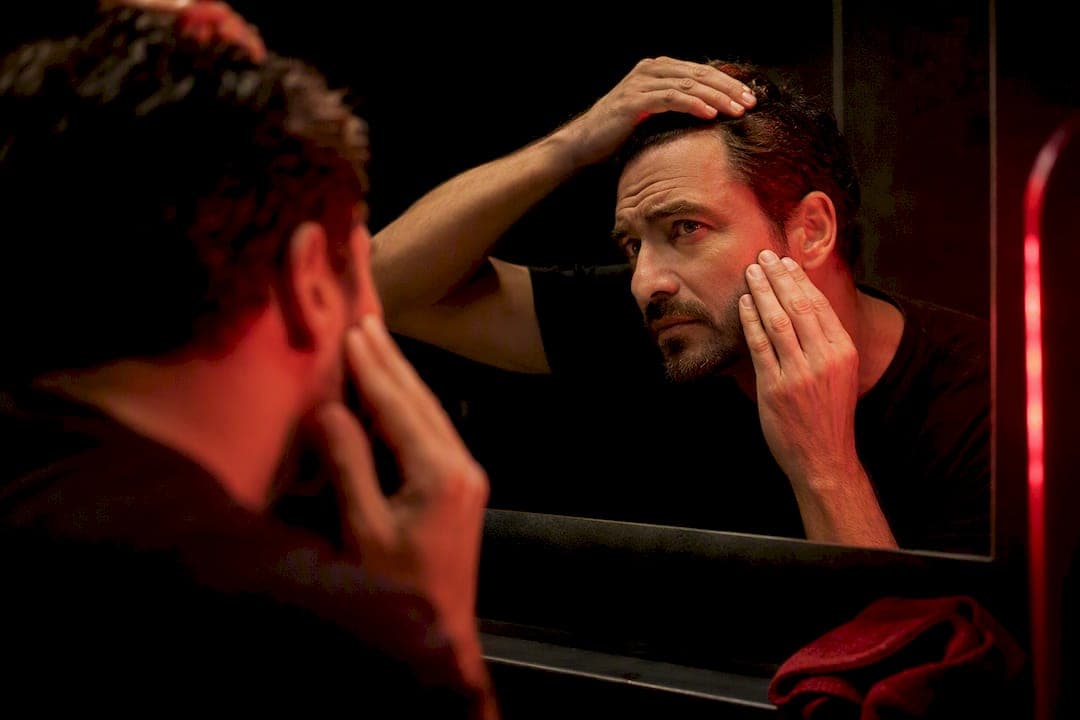
Some red light therapy claims hold up. Hair regrowth and certain skin-rejuvenation outcomes show real, replicated benefits in clinical trials. Claims about weight loss, dementia prevention, or fixing whatever ails you don't. The catch: results depend heavily on wavelength, dose, and device quality, and consumer panels rarely match the protocols used in the studies people cite. Short-term use looks safe. Daily use over years hasn't been studied enough to promise the same.
TL;DR:
- Red light therapy shows replicated benefits mainly for hair regrowth and certain skin rejuvenation outcomes when devices match clinical parameters.
- Device wavelength, irradiance, and dosing protocols are critical; many consumer devices differ significantly from clinical setups and may not deliver expected results.
- Short-term use is generally safe, but long-term effects of daily, repeated sessions remain largely unstudied, especially at higher doses or with darker skin tones.
- FDA clearance typically only guarantees device similarity to existing products for cosmetic uses, not proof of efficacy for all claimed health benefits.
- Effective at-home use requires choosing devices that disclose wavelength, irradiance, and defined treatment protocols, and users should follow safety guidelines and track progress.
Table of Contents
- The Biggest Red Light Therapy Myths, Debunked
- Where the Science Is Actually Strong
- Safety, Dosing, and Skin Differences You Should Know
- How to Judge a Device Before You Buy One
- What This Means for Men Over 30 Trying to Stay Sharp
- An Honest Read on the Hype
- A Responsible Way to Try Red Light at Home
- Sources
- FAQ
The Biggest Red Light Therapy Myths, Debunked
You've seen the claims. Some are backed by decent science. Most are marketing dressed up as medicine. Here is the myth-by-myth breakdown, stripped of hype.
Myth: "It cures everything." Red light gets credited with fixing hair loss, wrinkles, joint pain, sleep, mood, and somehow weight loss too. The evidence doesn't stretch that far. Stanford Medicine's review of the science confirms modest, replicated benefits for hair regrowth and some skin outcomes when devices match clinical parameters. Weight loss, dementia prevention, and broad performance gains? Not supported by the same rigor.
Myth: "All devices are the same." They aren't, and this is where most guys get burned. Visible red light in the 630 to 700 nanometer range penetrates to dermal depths tied to collagen and follicle activity. Near-infrared goes deeper, hitting different tissue entirely. A device's wavelength determines what it can realistically do, and most product pages bury that detail.
Myth: "A home panel is basically a clinical laser." It usually isn't. Stanford researchers describe comparing devices as an "apples and oranges" problem: power output, irradiance, and treatment protocols vary so much between a clinic laser and a consumer panel that clinical trial results don't transfer automatically.
Myth: "FDA clearance means the health claims are approved." This is the one that trips up the most buyers. FDA 510(k) clearance typically means a device is substantially equivalent to an existing product for a narrow, defined use, often cosmetic. It is not an independent efficacy review of every claim stamped on the box.
Myth: "There's no risk at all." Short-term use is generally low-risk, but it isn't risk-free. Documented side effects include:
- Temporary redness or skin irritation
- Eye strain or headaches from unprotected exposure
- Rare blistering or prolonged erythema at high cumulative doses
The American Academy of Dermatology notes these effects are usually mild and short-lived, but long-term, frequent home use remains largely unstudied.
Where the Science Is Actually Strong

Strip away the noise and two applications hold up under real scrutiny: hair regrowth and certain skin-rejuvenation markers. Trials that replicate clinical wavelength and dosing parameters show modest but consistent effects here, according to Stanford Medicine.
Body contouring has its own narrow lane. Specific 635-nanometer laser protocols in clinical trials produced measurable, localized circumference reduction at treated sites, not systemic fat loss. FDA clearances for these devices reflect that limited cosmetic indication, nothing broader.
Meta-analyses find small, sometimes statistically significant effects on select endpoints, but the underlying trials tend to be small, short, and inconsistent in design, which limits how confidently anyone can generalize the results, according to Science-Based Medicine's review.
Everything else, erectile function, cognitive improvement, broad metabolic changes, sits outside what current trials can support. Small sample sizes, short follow-up windows, and wide device variation are the recurring problems across this research. That's not a reason to write off the category. It's a reason to stay precise about what "it works" actually means for each specific use.
Safety, Dosing, and Skin Differences You Should Know
Dose is where red light therapy stops being simple. Trials use two measurements that matter more than any marketing copy: irradiance (power delivered per square centimeter) and fluence (total energy dose over a session). Too little does nothing. Too much causes harm.
High-fluence LED trials identified dose-limiting adverse events, including blistering and prolonged redness, at higher cumulative fluences, with tolerance varying by skin pigmentation. Researchers observed differences in dose thresholds for skin tolerance, suggesting that individuals with darker skin tones may need more conservative dosing to avoid photosensitivity reactions.
Practical steps that actually reduce risk:
- Wear eye protection every session, no exceptions
- Follow the manufacturer's stated distance and duration, not a guess
- Talk to a doctor first if you're on photosensitizing medication
- Stop immediately if you see prolonged redness, blistering, or pain
Pro Tip: Track your sessions the same way you'd track a lifting program. Note the date, duration, and any skin response. If nothing changes after 8 to 12 weeks of consistent use, that's useful data, not a failure.
Men with darker skin tones should pay closer attention to dosing guidance rather than assuming a one-size protocol applies. For a deeper technical breakdown of overexposure thresholds, this guide on fluence and overexposure risk covers the numbers in more detail, and eye safety fundamentals are worth a read before your first session.
How to Judge a Device Before You Buy One
Marketing claims are cheap. Specs are not. Here's what actually separates a legitimate device from a glorified heat lamp with good branding:
- Check the wavelength. A credible device lists its output in nanometers, not vague terms like "healing light."
- Demand irradiance data. Power output should be stated in milliwatts per square centimeter at a specified distance, not just total wattage, which tells you almost nothing on its own.
- Look for stated fluence and session time. If a company can't tell you the dose you're getting, they haven't measured it.
- Read the FDA language carefully. A cosmetic 510(k) clearance covers a narrow claim. It is not a stamp of approval for everything else on the label.
- Ask what happens if it doesn't work. A company confident in its device should stand behind it with a real guarantee, not fine print.
The ACSH's analysis of the red light market calls the consumer space a "wild west" for a reason: underpowered devices and inflated claims outnumber the legitimate ones.
What This Means for Men Over 30 Trying to Stay Sharp
Nurse Rachel's clinical take: red light therapy isn't a shortcut, and it isn't nothing either. For men over 30 watching their energy and recovery start to slip, it's a low-risk tool worth testing, not a replacement for sleep, training, or a real conversation with a doctor if something's actually wrong. Track your results for a few weeks before deciding. If your questions run deeper than a light panel can answer, our contraindications guide covers when it's time to loop in a clinician.

An Honest Read on the Hype
Red light therapy earns its place for hair and skin, and nowhere near the rest of what gets claimed. The smart move is setting one measurable goal, tracking it for a few weeks, and talking to a doctor about anything medical. Primal Red Co built its approach around exactly that kind of restraint.
— Nurse Rachel
A Responsible Way to Try Red Light at Home
Most of the frustration with red light therapy comes from devices that hide their specs and vendors who won't answer a straight question about dose. Some devices take the opposite approach: publishing wavelength and irradiance figures, guided session protocols through companion apps, and avoiding vague "healing frequency" language that makes this category hard to trust.

Some red light devices are built as private-use restoration tools, not clinical devices and not substitutes for doctor's visits. They are designed for people seeking straightforward, non-prescription routines they can run at home without ongoing appointments or subscriptions. If you're dealing with a diagnosed condition, on photosensitizing medication, or unsure whether red light fits your situation, talk to a clinician before starting. For everyone else ready to build a real routine around real specs, the RedRockit™ Primal Restoration product page lays out the device details and recommended protocols so you know exactly what you're using before you start.
Sources
Stanford Medicine, the American Academy of Dermatology, PMC clinical trial data, and Science-Based Medicine's analysis anchor the claims in this article.
This article is general information, not a substitute for advice from a qualified doctor. Consult a qualified healthcare professional about your own circumstances before acting on anything here.
- American Academy of Dermatology — Red light therapy: safety and uses
- Stanford Medicine — Red light therapy: What the science says
- Clinical photobiomodulation trial results (PMC article)
- Does red light therapy help weight loss? Evidence
FAQ
Is red light therapy real or a gimmick?
It's neither, entirely. Clinical trials support modest, replicated benefits for hair regrowth and some skin outcomes when devices match the parameters used in research, but many broader marketing claims outrun the evidence.
What does Mayo Clinic or the AAD say about red light therapy?
The American Academy of Dermatology states that red light therapy is generally safe for short-term use, with mild side effects like temporary redness or eye strain. It also notes that long-term, frequent home use hasn't been studied enough to draw firm conclusions.
Is there real scientific evidence behind red light therapy?
Yes, for specific applications. Trials show measurable effects on hair regrowth and localized skin outcomes, plus circumference reduction for body contouring using specific laser protocols, but sample sizes are often small and follow-up periods short.
Are there downsides or bad things about red light therapy?
Short-term side effects can include redness, mild skin irritation, eye strain, and headaches. High-fluence exposure has produced more serious reactions like blistering in trial settings, which is why following dosing guidance matters.
How much does the RedRockit device cost?
Pricing for the RedRockit™ Primal Restoration device is available directly on the product page.