
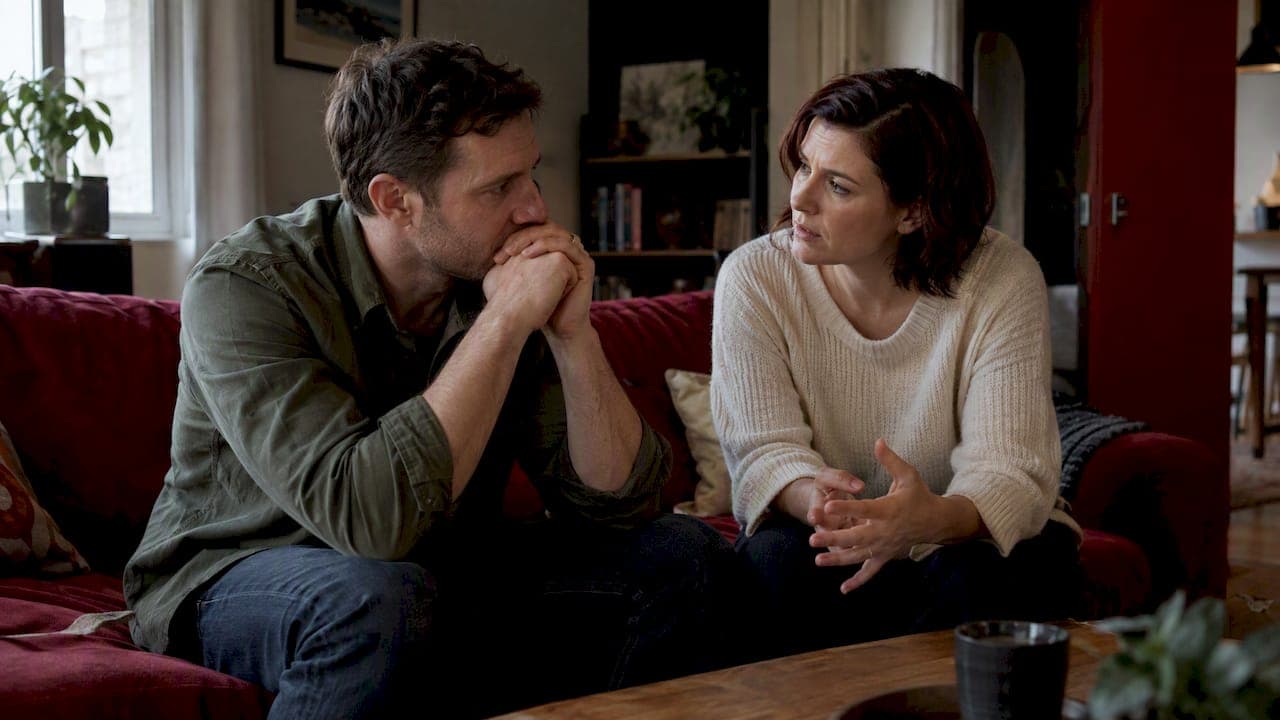
You were fine last month. Tonight your mind is running the show, your body isn't answering, and now you're dreading the next time. That is performance anxiety. It is common, it is mostly a nervous system problem and not a character flaw, and most men can break it once they understand the loop.
This guide covers what is happening in your body, how to tell worry from a physical problem, what to do tonight and over the next few weeks, and when to see a professional. If you're a wife or partner trying to understand what's going on with him, there's a section for you too.
TL;DR
- Sexual performance anxiety is a stress response. Worry switches on the "fight-or-flight" system, which works against an erection. Trying harder makes it worse.
- It's widespread: a review in the medical literature puts it at an estimated 9-25% of men.
- Clues it's mostly psychological: you still wake up with erections, it came on suddenly, and it shows up in some situations but not others.
- What works: talk to your partner, take the goal off "performing," cut the fuel (alcohol, bad sleep, stress), and consider a therapist or a doctor visit.
- Hormones are one possible piece, not the whole story. Get tested before assuming.
Table of Contents
- What performance anxiety actually is
- Is it in your head, or is something physical going on?
- What to do tonight: breaking the loop in the moment
- Talk to her (or him)
- Fix the fuel: stress, sleep, and daily habits
- When to get professional help
- Where testosterone fits, and where it doesn't
- For her: how to help a man with performance anxiety
- Our perspective
- A daily routine that supports the rest
- A simple four-week plan
- FAQ
- Sources
What performance anxiety actually is
Performance anxiety is worry or fear about how you'll do in bed. It can affect arousal, erections, ejaculation, and your confidence overall. Doctors see it constantly. The research literature calls sexual performance anxiety one of the most prevalent sexual complaints, and it's frequently identified as a driver of psychogenic erectile dysfunction and premature ejaculation.
Here's the part most men never hear. It isn't weakness. It's biology doing exactly what it was built to do.
The fight-or-flight trap
When you're worried about performing, your sympathetic nervous system kicks in. That's the same alarm that fires when you're in danger. Clinical research on this model describes that response as one that works against the blood flow an erection needs. Your body is, in a sense, preparing to run, not to connect.
So the harder you try to will an erection, the less likely it becomes. That's the paradox. One bad night creates fear of the next one. Fear creates tension. Tension creates the next bad night.
The signal didn't disappear. It got drowned out by noise.
Why it hits men over 30
In your twenties, things happened automatically. Past 30, life piles on: work pressure, a mortgage, kids, a body that recovers more slowly, and sleep that isn't what it was. Many men then start watching themselves during sex instead of being in it. That self-monitoring is the engine of anxiety.
Common triggers include:
- Chronic stress and poor sleep
- Alcohol, especially as a way to calm nerves
- Tension or unspoken resentment in the relationship
- One embarrassing experience that you keep replaying
- Pressure to meet a "perfect sex" standard that doesn't exist
Is it in your head, or is something physical going on?
Both can be true at once. Erection problems often have more than one cause, and performance anxiety can be a strong contributor even when something physical is also in play. Still, a few patterns point toward a mostly psychological cause.
| Points toward anxiety | Points toward a physical cause |
|---|---|
| Sudden onset | Gradual decline over months or years |
| Fine when alone or with a different partner | Problems in every situation |
| Still waking up with erections | Morning erections have faded |
| Rigidity varies a lot day to day | Consistently reduced rigidity |
The morning-erection check is the one doctors often mention. If you wake up with an erection, your blood flow and nerves are probably working, and the issue is more likely in your head. This is a clue, not a diagnosis.
The Mayo Clinic notes that arousal involves the brain, hormones, emotions, nerves, muscles, and blood vessels, and that stress and mental health concerns can cause erectile dysfunction. A problem in any one of them can show up as the same symptom.
See a doctor if: the problem has lasted more than a few weeks, comes with other symptoms like chest pain, numbness, or leg pain on walking, or you have diabetes, heart disease, or high blood pressure. ED can be an early sign of other conditions, and a primary care doctor or urologist is the right person to rule them out. If you're depressed or having thoughts of harming yourself, call or text 988, the Suicide & Crisis Lifeline, or see your doctor right away.
What to do tonight: breaking the loop in the moment
You can't think your way out of a nervous system response. You can change the conditions that created it.
- Drop the goal. Decide before you start that intercourse isn't the point. Touch, kissing, and play are the point. Without a finish line, there's nothing to fail.
- Slow your breathing. Long exhales calm the alarm system. A few slow breaths before and during intimacy is a simple reset.
- Come back to your senses. When your head starts commentating ("Is it working? What does she think?"), shift attention to what you can feel, smell, and hear.
- Skip the drinks as a crutch. Alcohol can make erections harder, and it feeds the cycle by teaching you that you can't relax without it.
- Let a "failure" be boring. If it doesn't work, stop, cuddle, laugh, move on. Making it a non-event takes its power away.
Talk to her (or him)
Performance anxiety lives in silence. When you hide it, you start guessing what your partner is thinking, and the guesses are almost always harsher than reality. Psychology Today's strategy guide points to open conversation as one of the most useful tools, because it turns sex from a performance into a connection.
You don't need a speech. Try something simple:
- "I've been in my head lately, and it has nothing to do with how attracted I am to you."
- "Can we take the pressure off for a few weeks and just be close?"
Then ask for what helps. Many couples find that other kinds of intimacy keep the connection going while the pressure drops.
Reset your expectations
Sex therapist Barry McCarthy argues, as Psychology Today reports, that a share of sexual encounters (5-15%) are simply unsatisfying or don't go as planned. Plenty of men suffer because they measure themselves against a movie version of sex. Good enough, relaxed, and connected beats perfect and tense. An unremarkable night is not proof that something is wrong with you.
Fix the fuel: stress, sleep, and daily habits
Anxiety rarely starts in the bedroom. It starts in the day. If you're running on five hours of sleep, three coffees, and constant pressure, your nervous system is already primed to react.
Practical levers that cost nothing:
- Protect sleep. Same bedtime, dark room, screens out of bed.
- Move daily. Walks and strength training lower baseline stress.
- Cut late-night drinking. Especially before intimacy.
- Build a wind-down. Ten minutes of breathing, stretching, or quiet before bed trains your body to downshift.
If low drive is part of the picture, our guide on fixing low libido in your 30s walks through sleep, stress, and two morning checks. If you're on an antidepressant and noticing changes, read what to ask about SSRI libido effects and talk with your prescriber before changing anything.
When to get professional help
If you've tried the basics and you're still stuck, that isn't failure. It's the point where a professional saves you months.
A therapist
The American Urological Association's guideline says that for men being treated for ED, referral to a mental health professional should be considered-guideline) to reduce performance anxiety, support treatment adherence, and fold treatment into a sexual relationship. It's a moderate recommendation, not an afterthought. Cognitive behavioral approaches and sex therapy aim to rebuild the natural, automatic response by calming the anxiety underneath it. Look for a licensed therapist who lists sex therapy or sexual health as a specialty.
A doctor
A doctor can check your blood pressure, blood sugar, medications, and, if symptoms point that way, hormones. The AUA guideline says men with ED symptoms should get a thorough medical, sexual, and psychosocial history, a physical exam, and selective lab testing. That's the right order: look first, treat second.
What about ED pills?
PDE5 inhibitors like sildenafil and tadalafil are prescription drugs, and a doctor decides whether they fit you. They aren't magic. They don't create an erection on their own. They help maintain blood flow when there is adequate stimulation. Men often judge them as failures because of anxiety, alcohol, unrealistic expectations, or not waiting long enough for the drug to work. If you've been prescribed one, ask your doctor how and when to take it.
Where testosterone fits, and where it doesn't
Many men jump straight to "it must be my testosterone." Sometimes it is a factor, especially when low drive, fatigue, and slower recovery show up alongside erection trouble. But testosterone is rarely the first answer for ED. One review reports that only about 35% of men with low testosterone and ED see significant erectile improvement from testosterone alone, and treatment is generally considered for men with significant low libido or who haven't responded to first-line drugs.
So test before you guess. Our primer on normal testosterone levels in men explains what the numbers mean, and our piece on six steps to try before testosterone therapy covers the basics worth doing first. If you're weighing supplements as part of that, read up on the evidence and safety of DHEA tablets and talk to your doctor before adding any hormone-related product.
Two more connections worth knowing. Low testosterone can affect mood and self-belief, which feeds anxiety: see what 27 trials show about testosterone and confidence. And depression can look like low T, so the morning test for telling them apart is worth reading.

For her: how to help a man with performance anxiety
If you're reading this because of him, first: your instinct that something is off is probably right. Second: it's almost certainly not about you.
He's likely ashamed. He may be avoiding intimacy entirely so he doesn't have to face it. That avoidance can look like disinterest, and it hurts. Here is what tends to help:
- Open the door gently. Pick a calm, non-sexual moment. Say what you've noticed and that you're on his side.
- Take the pressure off. Show affection without it needing to lead anywhere.
- Reassure without scripting. Tell him what you value about him, not just what happens in bed.
- Suggest a doctor visit as a team project, not a verdict.
- Be patient. Anxiety loosens gradually.
If the distance has grown past the bedroom, our article on low testosterone and marriage explains why a lab number alone won't fix a disconnect.
Our perspective
We talk to men every day who feel the shift coming. Less energy. A shorter fuse. Drive that used to come automatically and now takes effort. When intimacy gets shaky on top of that, the story in his head is brutal: I'm broken.
You're not. Here's what we believe.
Performance anxiety is a signal problem, not a manhood problem. Your body is reacting to stress, pressure, and fear of failing. Understand the loop and you take away most of its power.
Don't white-knuckle it alone. The men who get through this fastest talk to their partner and, when needed, to a doctor or therapist. That isn't weakness. That's taking control.
Fix the foundation first. Sleep, stress, alcohol, movement, and a real conversation at home do more than any quick fix. A restoration routine you can stick with beats a dramatic overhaul you quit in two weeks.
Know what we are and aren't. We're not a clinic, we don't diagnose, and RedRockit is not a treatment for anxiety or erectile dysfunction. We built it for men who want a simple daily restoration routine to support energy, drive, and recovery as they age, without waiting for a crash. If your symptoms are persistent, get checked. Then build the habits that help you feel like yourself again.
YOU HAVEN'T LOST IT. Most of the time, you've just stopped hearing the signal.
— Nurse Rachel
A daily routine that supports the rest
Once a doctor has ruled out anything urgent, the men who do best build a routine that lowers stress and protects energy. That is where we come in. RedRockit is a private-use red light wellness device designed to support a simple daily restoration routine for men over 30, with a companion app, Rockit IQ, that guides session protocols. It isn't a prescription, a supplement, or a medical appointment, and it isn't a cure for performance anxiety. It's a tool for the "protect what you have" side of the plan. If low drive is part of your story, see how men approach low libido after 40.
A simple four-week plan
Put it all together:
Week 1: Talk and reset. Have the conversation with your partner. Agree to take intercourse off the table for a couple of weeks. Cut alcohol before intimacy.
Week 2: Build the base. Lock in your sleep schedule, add daily movement, and practice slow breathing for five minutes a day.
Week 3: Reconnect. Spend time on touch and closeness with no goal. Notice when your head starts monitoring and gently come back to sensation.
Week 4: Assess. Are things easing? Are morning erections present? If you're still struggling, book a doctor visit and ask about a sex therapist referral.

FAQ
How do you overcome performance anxiety as a man?
Start by taking the pressure off the outcome and telling your partner what's happening. Add slow breathing, better sleep, less alcohol, and more non-goal-oriented intimacy. If it persists, a sex therapist or doctor can help, and guidelines from the American Urological Association support involving mental health professionals.
How can I tell if my erectile problem is psychological?
Sudden onset, normal erections in some situations (alone or with another partner), regular morning erections, and big day-to-day variation all suggest a psychological cause. These are clues, not proof. A doctor should check for physical causes like blood pressure, diabetes, and medication effects.
How do I help a guy with performance anxiety?
Bring it up in a calm, non-sexual moment and make clear you're on his side. Show affection that doesn't need to lead to sex, and avoid keeping score. Suggest seeing a doctor or therapist together as a shared step.
Is performance anxiety common?
Yes. A medical review estimates it affects roughly 9-25% of men. Most men run into it at some point, especially during stressful periods.
Sources
- Sexual Performance Anxiety (PubMed)
- A theoretical model for sexual performance anxiety and its remediation, Sexual Medicine Reviews
- Erectile Dysfunction, StatPearls, NCBI Bookshelf
- Erectile dysfunction symptoms and causes, Mayo Clinic
- 6 Strategies for Male Performance Anxiety, Psychology Today
- Erectile Dysfunction Guideline, American Urological Association-guideline)
- Erectile Dysfunction: AUA Guideline (PDF)
- Erectile dysfunction: causes, assessment and management options, PMC
- Testosterone and erectile dysfunction, NCBI