
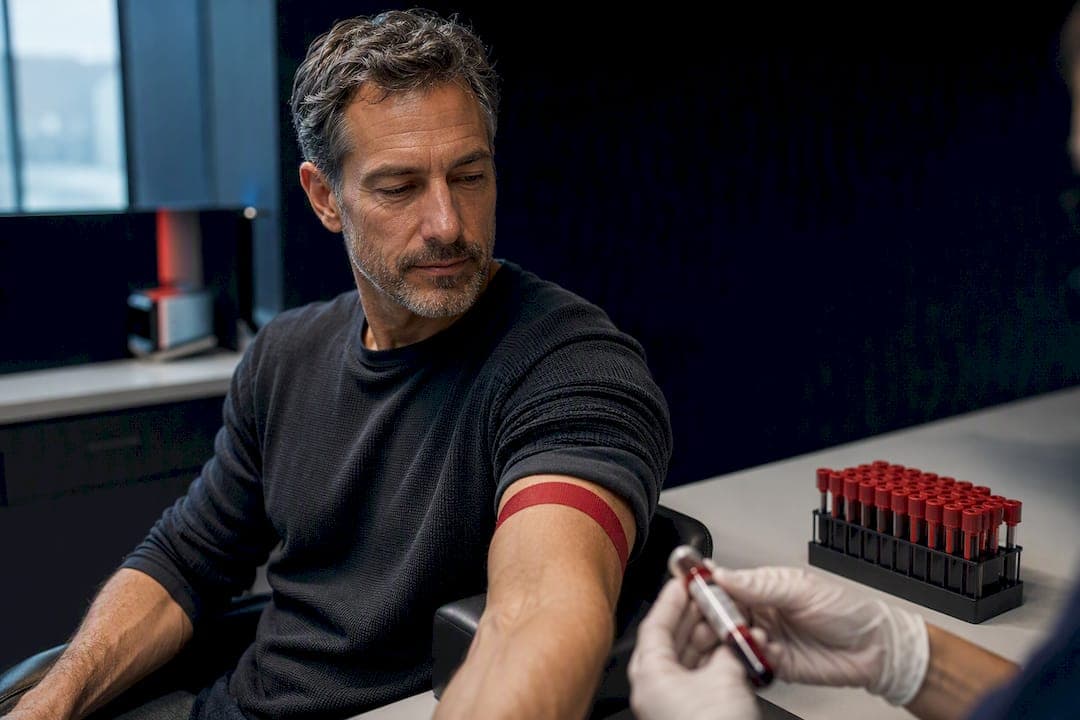
TRT wins on speed and predictability. It raises serum testosterone into a normal range within weeks, under a doctor's supervision, but it comes with fertility risks, monitoring requirements, and a real commitment to ongoing care. Natural approaches, sleep, strength training, weight loss, and a handful of studied supplements, work slower and less consistently, but they carry almost no downside for most men. The right choice depends on your labs, your symptoms, and whether you want more kids.
TL;DR:
- TRT quickly raises testosterone levels within weeks but requires regular monitoring of blood counts, blood pressure, and PSA for safety.
- Natural methods like sleep, weight loss, and supplements such as fenugreek and ashwagandha produce modest, slower gains in testosterone with minimal risk.
- Men planning to conceive should avoid TRT and consider alternatives like hCG or SERMs to maintain fertility while boosting testosterone.
- Proper diagnosis requires two early-morning blood tests, not a single draw, with well-monitored TRT only recommended for symptomatic, confirmed low testosterone.
- Supplements and lifestyle changes take at least 8 to 12 weeks to show measurable results, and quality, dosage, and individual response vary widely.
Table of Contents
- TRT vs Natural: A Quick Comparison
- How TRT Works and What Your Doctor Should Be Checking
- What "Natural" Actually Means (and What It Can Realistically Do)
- What Do the Guidelines and Clinical Trials Actually Say?
- How Do the Safety Profiles and Monitoring Needs Compare?
- Does TRT Affect Fertility, and What Are the Alternatives?
- What's the Right Order of Operations?
- Your Practical Checklist Before You Decide
- What Nurse Rachel Sees Go Wrong Most Often
- A Restoration Routine You Can Start Before You Decide Anything
- Sources
- FAQ
TRT vs Natural: A Quick Comparison
If you've been Googling "TRT vs natural" at 11pm, you already know the stakes. You're not broken. You're deciding between two different tools for two different jobs. Here's the fast version before we get into the mechanics.
TRT works by replacing what your body has stopped making enough of. Natural approaches work by nudging your body to make more of what it's still capable of producing. Those are not the same fight, and they don't move at the same speed.
- Speed: TRT changes bloodwork within a few weeks. Lifestyle changes and supplements generally take a couple of months before measurable shifts appear.
- Magnitude: TRT usually restores testosterone to the mid to high end of the normal range. The best-studied supplement, fenugreek, produced a modest increase in total testosterone over baseline in a 12-week trial, a real number, but nowhere near what a prescription dose delivers.
- Monitoring: TRT requires baseline labs, then follow-up bloodwork at 3 to 6 months and annually after that. Natural approaches need far less oversight, though supplement quality is its own hazard.
- Fertility: TRT suppresses sperm production, sometimes for months after stopping. Natural approaches don't touch fertility at all.
- Who it fits: Men with confirmed, symptomatic low testosterone tend to need TRT. Men in the gray zone, tired, foggy, low drive, but with borderline labs, often do better starting with the natural route first.
Cost tracks the same divide. TRT means ongoing clinic visits, lab work, and prescription costs that continue for as long as you're on it. Lifestyle changes cost nothing but discipline. Supplements run somewhere between a gym membership and a coffee habit, depending on what you buy and how much of it you actually need.
How TRT Works and What Your Doctor Should Be Checking
Testosterone replacement therapy floods your bloodstream with exogenous testosterone, meaning testosterone that comes from outside your body rather than from your testes. Your body doesn't know the difference at the receptor level. It just registers "enough testosterone is here" and dials back its own production through the hypothalamic pituitary gonadal axis, the feedback loop that normally tells your testes when to make more or less.
That's the trade-off in a single sentence. Your natural system runs on pulsatile release, small waves of hormone released in a rhythm tied to sleep and circadian cycles. TRT delivers a steady, flat level of exposure instead. That's part of why some men feel great on TRT and others feel oddly flat, even with "normal" numbers on paper.
Delivery forms vary more than most men realize. Topical gels absorb through skin daily and carry a real risk of transferring to a partner or child through skin contact. Intramuscular injections, typically administered every one to two weeks, produce peaks and valleys in blood levels that can cause mood or energy swings near the end of a dosing cycle. Oral testosterone undecanoate is newer to the US market and avoids injections but requires taking the dose with food for proper absorption.
Diagnosis isn't supposed to be casual. Guideline bodies including the Endocrine Society and the American Urological Association require two separate early-morning total testosterone tests, not one, both showing consistently low results, alongside real symptoms like low libido, fatigue, or loss of muscle mass.
Pro Tip: If your doctor diagnosed low T off a single afternoon blood draw, ask for a proper morning retest. Testosterone naturally peaks in the morning and drops later in the day, so an afternoon number can look artificially low.
The commonly cited threshold sits around 300 ng/dL, though guideline language treats that as a reference point for discussion, not a rigid cutoff that overrides how you actually feel.
Once you start TRT, monitoring isn't optional. Expect:
- Baseline complete blood count (CBC) and hematocrit before your first dose.
- Follow-up labs at 3 to 6 months to check hematocrit, blood pressure, and symptom response.
- Annual monitoring after that, plus PSA testing when age or risk factors call for it.
- A hematocrit above roughly 54% typically triggers dose reduction or therapeutic phlebotomy, since thickened blood raises clotting risk.
TRT isn't a "set it and forget it" prescription. It's a managed medical relationship, and the monitoring is the price of the reliability.
What "Natural" Actually Means (and What It Can Realistically Do)
"Natural testosterone boosters" gets thrown around loosely, but the real evidence points to a shorter, more boring list than the supplement industry wants you to believe.
Sleep is the single biggest lever most men ignore. Testosterone production is tied tightly to deep sleep cycles, and chronic sleep restriction can measurably suppress morning testosterone levels within days. If you're sleeping five or six hours a night, no supplement stack will out-earn what a consistent seven to eight hours does for free.
Body composition matters almost as much. Excess body fat, especially visceral fat around the midsection, increases an enzyme called aromatase that converts testosterone into estrogen. Losing fat through resistance training and a sustainable calorie deficit is one of the more reliable, if slower, ways to shift your hormone profile in the right direction.
Beyond sleep and body composition, the VA's Whole Health program recommends lifestyle-first measures as the default approach for men with borderline or mildly low results, reserving medication for men where lifestyle changes alone don't move the needle.
Nutrient deficiencies deserve a specific mention, because they're the exception where supplementing actually makes physiological sense. Vitamin D and zinc deficiencies are both associated with lower testosterone, but the fix only works if you're actually deficient. Taking zinc when your levels are already normal doesn't add anything on top.
Among herbal extracts, two names keep showing up in the research with real trial support:
- Fenugreek (Trigonella foenum-graecum): A 12-week randomized controlled trial found a modest increase in total testosterone and a 19.6% increase in free testosterone index at the highest tested dose, versus baseline, though comparisons against placebo were mixed.
- Ashwagandha (Withania somnifera): Reviewed alongside fenugreek as one of the supplements with the most consistent supporting trial data, though standardization between products varies widely, and you can find dosing specifics in this breakdown of ashwagandha trial evidence.
Here's the honest caveat: these are modest gains in small studies, not a replacement for medical treatment of clinically low testosterone. Some men respond well. Others see almost nothing. Product quality varies enormously since supplements aren't FDA-regulated for potency the way prescription drugs are.
Pro Tip: If you try a supplement stack, give it a full 8 to 12 weeks before judging results, and retest your labs rather than relying on how you feel. Placebo effect is real, especially with something you paid money for.
What Do the Guidelines and Clinical Trials Actually Say?
The strongest evidence in this entire conversation doesn't come from a supplement bottle. It comes from two sources: formal clinical guidelines and a landmark cardiovascular safety trial that changed how doctors think about TRT risk.
The Endocrine Society's clinical practice guideline and AUA guidance both take a deliberately conservative stance. Diagnosis requires consistent symptoms plus two separate early-morning total testosterone readings below roughly 300 ng/dL. Treatment isn't recommended for men without clear symptoms, and it's specifically discouraged for men planning fertility in the near term.
Some men receive testosterone therapy without appropriate diagnostic work-ups or ongoing monitoring, and treatment decisions should be individualized and symptom-driven rather than based purely on a single number on a lab report.
That's the tension at the center of this entire debate. A lab value alone doesn't tell the whole story, and neither does how tired you feel on a bad week.
On the supplement side, the fenugreek trial is worth sitting with because it's one of the few well-controlled studies in this space. Over 12 weeks, men aged 40 to 80 taking a high-dose extract saw a modest increase in total testosterone and a 19.6% jump in free testosterone index at the top dosage. That's a genuine signal. It's also a fraction of what TRT delivers, and the placebo comparisons weren't clean across every measure, which means some of that improvement may reflect factors beyond the extract itself.
Safety data tells its own story, and this is where TRT's risk profile gets concrete rather than theoretical. The FDA requires class-wide labeling changes for testosterone products, flagging increased blood pressure, erythrocytosis (a dangerous thickening of the blood), and venous thromboembolism risk. That labeling exists because these aren't rare edge cases. They're common enough to require mandatory hematocrit monitoring at baseline, 3 to 6 months, and annually.

Then there's TRAVERSE, the largest cardiovascular outcomes trial run on testosterone therapy to date. It found similar rates of major adverse cardiovascular events between topical testosterone and placebo in a high-risk cohort, roughly similar percentages. That's genuinely reassuring news for men worried TRT automatically means a heart attack risk. But the same trial recorded modest blood pressure increases and some thromboembolic events in subgroup analysis, which is exactly why ongoing monitoring stays non-negotiable even with a broadly favorable cardiovascular headline.
Where the evidence gets genuinely thin is in the middle ground: men with borderline testosterone, real symptoms, and no interest in fertility issues but also no appetite for a lifelong prescription. Guidelines don't give you a clean answer here. That's a judgment call between you and a clinician who actually looks at your full picture, not just one number.
How Do the Safety Profiles and Monitoring Needs Compare?
TRT and natural approaches don't just differ in effectiveness. They differ in what can go wrong, and how closely you need to watch for it.
TRT's risks are well documented and require active management. Erythrocytosis, the thickening of red blood cells, tops the list, which is why hematocrit gets checked at baseline, 3 to 6 months, and annually. A reading climbing past roughly 54% typically means dose adjustment or a therapeutic blood draw to bring it back down. Blood pressure needs regular checks too, since TRAVERSE recorded modest but measurable increases even in men without prior cardiovascular disease. Topical gel users face an added wrinkle: secondary exposure, where testosterone transfers to a partner or child through skin contact before it fully absorbs. Long-term outcomes beyond a few years of use still carry unknowns that ongoing research hasn't fully closed.
Supplement risks look different but aren't trivial. Contamination and adulteration are real problems in an industry with limited regulatory oversight, meaning the bottle on the shelf doesn't always contain what the label claims. Potency varies batch to batch even within the same brand. Some herbal extracts can interact with common medications, including blood thinners and diabetes drugs, and can occasionally interfere with lab test accuracy.
Practical mitigation looks different depending on which path you're on:
- Get baseline labs before starting anything, TRT or supplements, so you have a real comparison point.
- Tell your doctor about every supplement you're taking, even the ones that feel harmless.
- Choose third-party tested products (look for NSF Certified for Sport or USP verification marks) if you go the supplement route.
- Report a hematocrit spike or persistent blood pressure increase to your prescriber immediately rather than waiting for your next scheduled visit.
If you want a deeper walk-through of how these risks show up in practice, this breakdown of TRT monitoring steps covers the nurse-led side of hematocrit management in more detail.
Does TRT Affect Fertility, and What Are the Alternatives?
Yes, and this is the part too many men skip past until it's already a problem. Exogenous testosterone tells your brain there's plenty of hormone circulating, so it shuts down the signals, LH and FSH, that normally tell your testes to keep producing both testosterone and sperm. The result is reduced intratesticular testosterone, the concentrated local hormone level your testes actually need for sperm production, even while your bloodstream numbers look great.
This isn't a minor side effect. Sperm production can drop dramatically within months of starting TRT, and recovery after stopping isn't guaranteed to be quick or complete in every man.
If you're planning to have kids, or aren't ruling it out, there are alternatives that raise testosterone without shutting down the fertility axis:
- hCG (human chorionic gonadotropin): Mimics the LH signal your pituitary would normally send, keeping the testes active and preserving sperm production while supporting testosterone levels.
- SERMs (selective estrogen receptor modulators): Medications like clomiphene or enclomiphene work upstream, encouraging your own natural production rather than replacing it. You can compare the two in more detail in this breakdown of enclomiphene versus clomiphene.
Neither of these is a DIY project. If fertility matters to you, the right move is a referral to urology or reproductive endocrinology before starting anything, not after you've already noticed a problem on a semen analysis. For a broader look at fertility treatment options and how referrals typically work, this guide to fertility treatment pathways is a useful outside resource.
What's the Right Order of Operations?
You don't need to guess your way through this. There's a logical sequence that most guideline bodies and experienced clinicians follow, and it starts with information, not intervention.
- Test properly, twice. Get two separate early-morning total testosterone readings, not one rushed afternoon draw, along with a symptom checklist and baseline CBC/hematocrit. This is also where checking SHBG alongside total testosterone matters, since high SHBG can make your total number look fine while your usable, free testosterone is actually low.
- If your numbers are mild or borderline, commit to an 8 to 12 week lifestyle push first. Prioritize sleep, resistance training, and body fat reduction, with fenugreek or ashwagandha added if you want to layer in supplement support. Retest afterward rather than relying on how you feel.
- If your levels are confirmed low and symptoms are significant, have the TRT conversation directly. Ask about fertility plans before anything else. If kids are part of your future, ask specifically about hCG or SERM alternatives instead of jumping straight to injections or gels.
Pro Tip: Bring a written list of questions to that appointment: what hematocrit threshold triggers a dose change, how often you'll be monitored, and what the plan is if you want to stop later. A doctor who welcomes those questions is one worth staying with.
Insist on real monitoring, not just a prescription and a follow-up call in a year. Hematocrit, blood pressure, and PSA when age-appropriate should all be part of the conversation before you sign on for treatment.
Your Practical Checklist Before You Decide
Before you commit to either path, here's what actually needs to happen in the real world, not the theoretical one.
- Order two early-morning total testosterone tests, plus CBC/hematocrit as a baseline, and vitamin D or zinc levels if deficiency is suspected.
- Check PSA if your age or family history warrants it, so you have a baseline before any treatment decision.
- If choosing supplements, stick to single-ingredient, third-party tested products. Skip proprietary blends that hide exact dosages behind a trademarked name.
- Tell every provider you see about every supplement you're taking, without exception.
- Give any lifestyle or supplement plan a full 8 to 12 weeks before judging it, and track energy, libido, and sleep quality alongside the lab numbers, not instead of them.
Pro Tip: Keep a simple weekly log, energy on a 1 to 10 scale, hours slept, workouts completed. Numbers on a lab report matter, but a pattern over 12 weeks tells you more than any single blood draw.
What Nurse Rachel Sees Go Wrong Most Often
The men who struggle most aren't the ones who choose TRT or the ones who choose lifestyle changes. They're the ones who skip the testing step entirely and just guess, based on how exhausted they feel on a random Tuesday.
Fatigue alone isn't a testosterone diagnosis. It's a symptom that could point to sleep apnea, thyroid issues, depression, or a dozen other things that no injection will fix. And fertility gets brought up too late, often after a man is already three months into treatment and suddenly realizing he and his partner want another kid. Bring it up first, not after.
The men who do well are the ones who treat their own body like data worth tracking, not a mystery to be solved by whichever answer sounds most appealing at 11pm.
— Nurse Rachel
A Restoration Routine You Can Start Before You Decide Anything
If you're still gathering information, or your labs are borderline and you're not ready for a prescription commitment, there's a middle path worth knowing about. A private-use red light restoration routine is available that you can start at home today, without diagnosis, monitoring schedule, or ongoing dependence on a clinic.

RedRockit isn't a substitute for treating clinically confirmed low testosterone with real symptoms. If your labs come back consistently below range and you're dealing with significant, disruptive symptoms, that conversation belongs with a doctor, not a wellness routine. But if you're in the gray zone, feeling the shift before the numbers fully confirm it, RedRockit gives you a non-pharmaceutical way to support your daily restoration routine while you figure out your next move. No prescription, no subscription lock-in, no waiting room. Just a tool built for men who want to stay ahead of the decline instead of waiting for a crisis to force their hand. Visit the RedRockit product page to see how the routine works and decide if it fits where you are right now.
This article is general information, not a substitute for advice from a qualified doctor. Consult a qualified healthcare professional about your own circumstances before acting on anything here.
Sources
- AUA / guideline-referenced diagnostic criteria (PubMed entry)
- Double-blind randomized controlled trial of fenugreek extract (TrigozimR)
- FDA safety communication on testosterone product labeling changes and monitoring
FAQ
What does Joe Rogan use for TRT?
Public statements from high-profile figures about personal TRT protocols shouldn't guide your treatment decisions, since dosing and delivery method depend entirely on individual labs, symptoms, and monitoring needs. What matters for you is getting your own two-test morning diagnosis and working with a clinician on a plan suited to your actual numbers.
What's the downside of taking TRT?
The biggest downsides are fertility suppression, since exogenous testosterone shuts down the signals your testes need to produce sperm, plus ongoing monitoring requirements for hematocrit, blood pressure, and cardiovascular risk. The FDA's safety labeling specifically flags erythrocytosis and thromboembolic risk as reasons ongoing lab checks matter.
Why do I feel so good on TRT?
Restored testosterone often improves energy, libido, mood, and muscle recovery fairly quickly, which is why many men report feeling noticeably better within weeks of starting treatment. That said, feeling good doesn't eliminate the need for monitoring, since hematocrit and blood pressure can climb even while symptoms improve.
Is there anything better than TRT?
"Better" depends entirely on your goals. If fertility matters, alternatives like hCG or SERMs preserve sperm production while still supporting testosterone, and non-pharmaceutical routines like RedRockit offer a lower-commitment option for men in the gray zone who aren't ready for a prescription. For men with confirmed, severe low testosterone and no fertility concerns, TRT remains the fastest and most reliable option available.