
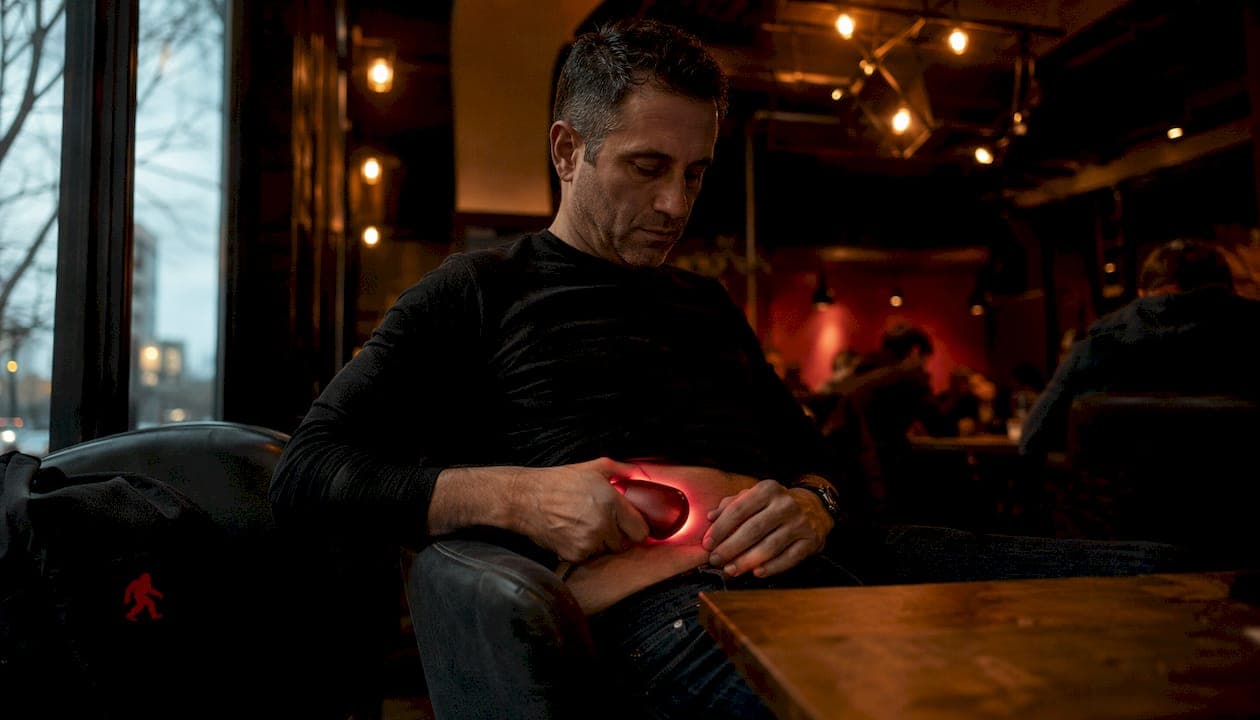
Red light therapy can meaningfully support libido in specific clinical contexts, but it is not a universal sex-drive switch. The strongest human evidence comes from targeted populations: people with genitourinary syndrome of menopause (GSM), breast cancer survivors with therapy-induced sexual dysfunction, and patients with depression where transcranial photobiomodulation (PBM) improved desire as a secondary outcome. For healthy adults with isolated low desire and no underlying tissue or mood component, the evidence is promising but thin.
The short version:
- A secondary analysis of a transcranial PBM trial found a 90% reduction in "loss of sexual interest" severity in the near-infrared group versus sham, in completers.
- A 2026 prospective study of 24 breast cancer survivors showed dramatic improvements in vaginal pain and sexual function scores after four weekly LED PBM sessions.
- Most trials are small, use different wavelengths and protocols, and target specific clinical populations. There is no standardized dose for general libido enhancement.
The signal is real enough to take seriously, and the hype is real enough to be cautious about. Here is what the research actually says, and what you can do with it.
Table of Contents
- What is red light therapy, and how does it work?
- How red light therapy could plausibly affect your sex drive
- What clinical trials actually show about PBM and sexual function
- Where you apply it matters as much as whether you use it
- What protocols look like in the research, and how long results take
- Safety, contraindications, and when to call a clinician
- Who is most likely to benefit, and who probably won't
- How to try red light therapy at home safely
- Key Takeaways
- The honest clinical take on red light therapy for libido
- RedRockit gives men a restoration routine without the clinic
- Authoritative sources and further reading
What is red light therapy, and how does it work?
Photobiomodulation (PBM) is the clinical term for what most people call red light therapy. It refers to the application of low-level red or near-infrared (NIR) light to tissue to trigger biological responses at the cellular level. No heat, no UV, no ionizing radiation. Just specific wavelengths of light absorbed by photoreceptors in your cells.
The visible red range sits roughly between 630–680 nm. Near-infrared runs from about 810–850 nm and penetrates deeper into tissue, reaching muscle, nerve, and vascular structures that surface-level red light cannot. Consumer devices come in several forms: full-body panels, targeted pads, handheld devices, and clinically supervised intravaginal probes. Each format suits a different application, and that distinction matters more than most marketing copy admits.
Common studied applications include skin repair, wound healing, musculoskeletal pain, genitourinary complaints, and transcranial use for mood and cognitive function. The RedRockit device from Primal Red Co. sits in the targeted, private-use category designed for men's restoration routines.
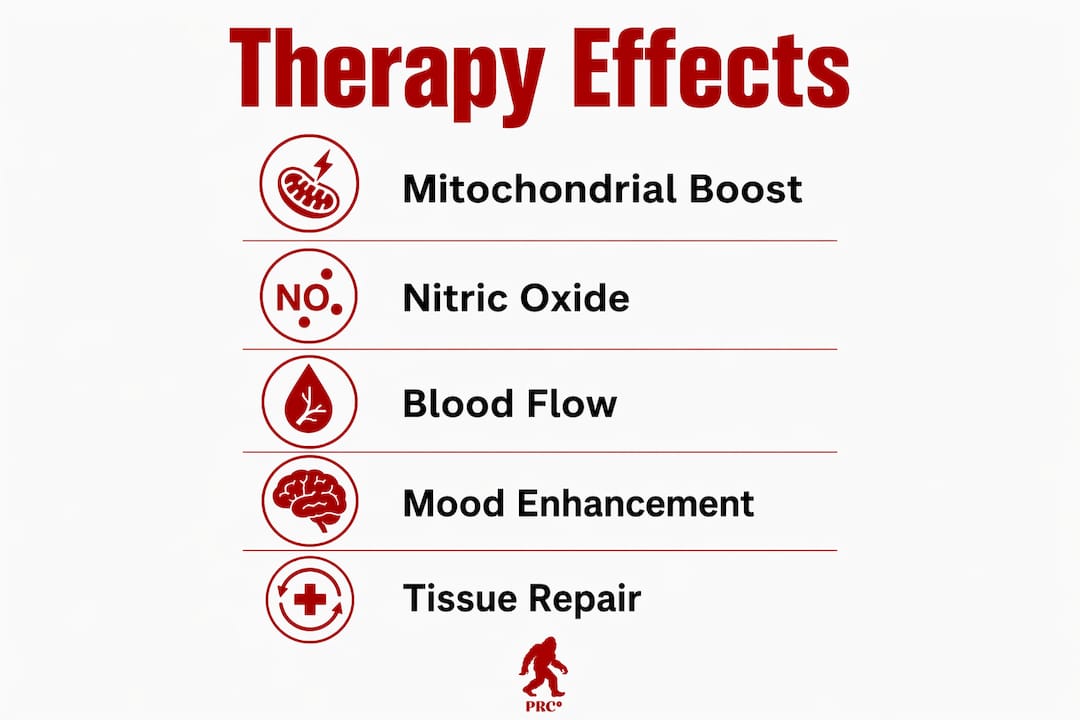
Pro Tip: Transcranial PBM (applied to the scalp/forehead) and local pelvic PBM are completely different applications with different goals. A panel aimed at your groin will not produce the mood and desire effects seen in transcranial trials, and vice versa. Know which mechanism you are targeting before you choose a device.
How red light therapy could plausibly affect your sex drive
There are four plausible pathways. None of them are magic. All of them are grounded in real biology.
Mitochondrial stimulation and ATP production. Red and NIR light are absorbed by cytochrome c oxidase, a key enzyme in the mitochondrial electron transport chain. That absorption increases ATP production, the cellular energy currency. Better cellular energy means healthier tissue function, faster repair, and more responsive nerve endings. For sexual tissue, that matters.
Nitric oxide and blood flow. PBM triggers nitric oxide (NO) release from cells. Nitric oxide is the same molecule that erectile function depends on. It relaxes smooth muscle in blood vessel walls, increases local circulation, and supports tissue engorgement. This is the most direct mechanistic argument for PBM's role in erectile function and vaginal lubrication.
Neuromodulation and mood. Transcranial PBM applied to the prefrontal cortex influences the dorsolateral prefrontal cortex (DLPFC) and limbic pathways involved in mood, motivation, and desire. Depression is one of the most common suppressors of libido. When transcranial PBM reduces depressive symptoms, sexual interest often follows. That is not a coincidence; it is a downstream effect of the same pathway.
Tissue repair and collagen synthesis. For women dealing with vaginal atrophy, dryness, or pain with intercourse, PBM's ability to stimulate collagen production and accelerate tissue repair is directly relevant. Genitourinary syndrome of menopause (GSM) involves thinning, drying, and inflammation of vaginal tissue. PBM addresses the tissue-level problem, not just the symptom.
On testosterone claims: Marketing often promises direct testosterone increases from red light therapy. The honest picture is more complicated. Animal studies have shown testicular PBM increasing testosterone in rodents, but human evidence for a direct, clinically meaningful hormonal boost is weak and inconsistent. The real value of a daily device routine is more likely indirect: better sleep, reduced stress, improved mood, and consistent self-care behavior. Those factors genuinely affect testosterone and libido. The light itself is probably not rewriting your endocrine system.
What clinical trials actually show about PBM and sexual function
The evidence base is growing but still limited. Studies use different wavelengths, different target sites, different outcome measures, and wildly different populations. That heterogeneity makes it hard to draw universal conclusions. What you can do is look at the specific populations where results were clearest.
| Study | Population | Approach | Protocol | Primary Outcome | Main Limit |
|---|---|---|---|---|---|
| t-PBM secondary analysis (PMC) | Adults with depression | Transcranial NIR PBM vs. sham | Multiple sessions targeting DLPFC | 90% reduction in "loss of sexual interest" severity in NIR group (completers) | Secondary outcome; small sample; depression-specific population |
| 2026 PBM prospective study | 24 breast cancer survivors with hormone-therapy-induced sexual dysfunction | Combined red (660 nm) LED, local vaginal application | 4 weekly sessions | VAS pain dropped substantially; QS-F scores rose greatly; most participants reported complete absence of pain | No control group; small sample; specific clinical population |
| PLOS One GSM study | Postmenopausal women with GSM | Intravaginal 660 nm PBM | weekly sessions lasting around half an hour | Objective vaginal health index (VHI) improved in all participants; many reached non-atrophic status | Single-center; no control arm; small N |
| Bright-light therapy in HSDD | Men with primary hypoactive sexual desire disorder | Daily white fluorescent light | 2 weeks | Improved sexual satisfaction; increased mean testosterone vs. placebo | Different modality (white light, not red/NIR); small sample |
The t-PBM trial result is the most striking single data point in this space. A 90% reduction in sexual interest loss in completers is a large effect size, even accounting for the secondary-outcome status and the depression-specific population. It does not mean every person who shines NIR light on their forehead will feel more desire. It means that for people whose low libido is driven by depression or mood dysregulation, transcranial PBM may address the root cause.
The endpoints used across studies vary: the Female Sexual Function Index (FSFI), Visual Analog Scale (VAS) for pain, single-item sexual interest ratings, and erection firmness scales. A clinically meaningful change on the FSFI is generally considered a shift of about 4–5 points. The GSM and post-cancer studies show changes well above that threshold.
Where you apply it matters as much as whether you use it
This is the part most articles skip. Application site determines mechanism, and mechanism determines who benefits. These are not interchangeable.
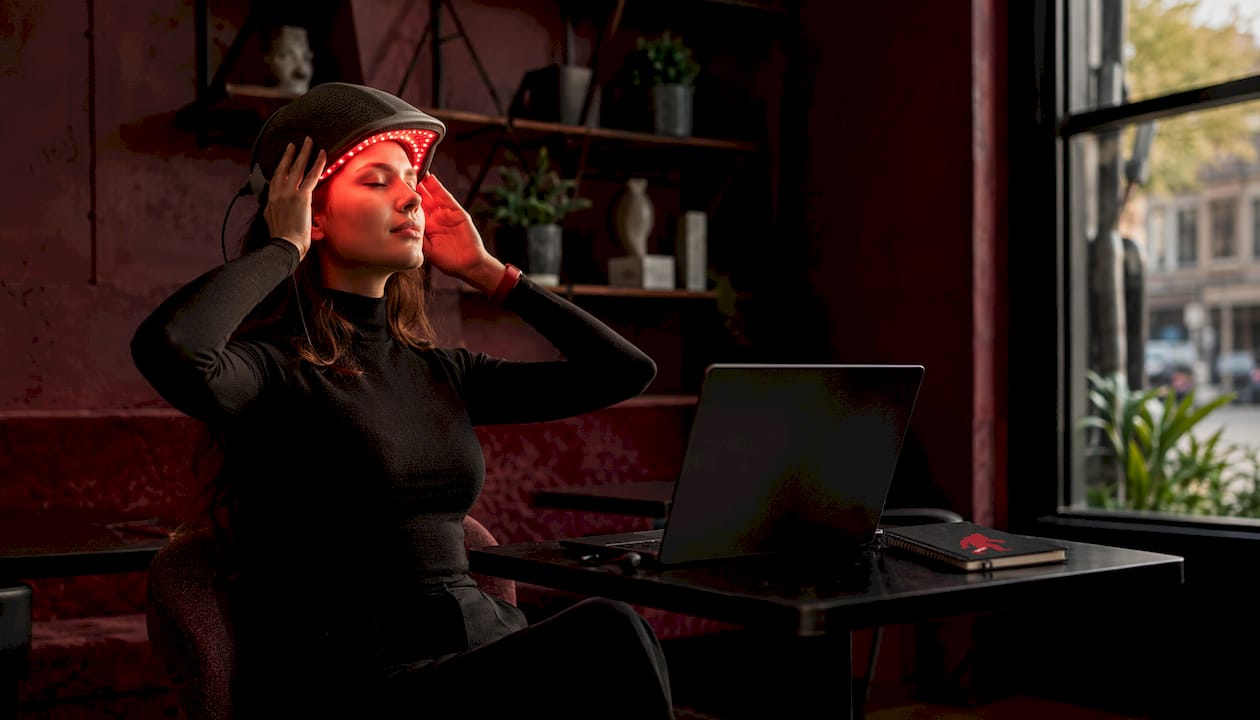
Transcranial PBM targets the brain, specifically prefrontal and limbic regions involved in mood, motivation, and desire. It is used when low libido is mood-related or when depression is a contributing factor. Session patterns in depression trials typically involve multiple sessions per week over 4–8 weeks, with the device positioned at the forehead or scalp.
Local pelvic and intravaginal PBM targets vaginal tissue, pelvic floor muscles, and local circulation. The clinical populations here are postmenopausal women with GSM, breast cancer survivors on aromatase inhibitors or tamoxifen, and women with pain-related sexual dysfunction. The PLOS One GSM study used intravaginal probes; the 2026 breast cancer survivor study used external LED application. Both showed tissue-level improvements.
Erectile-focused use relies on the nitric oxide and blood flow mechanism. The rationale is sound. The human RCT data, however, are limited. Most of the compelling evidence comes from rodent physiology studies, not controlled human trials. Consumer-facing protocols for erectile support typically describe 10–15 minute sessions on the penile shaft, done several times per week. That pattern is consistent with general PBM dosing principles, but it has not been validated in large human RCTs.
Symptom-to-target mapping:
- Low desire with mood or depression component → transcranial PBM (forehead/scalp)
- Vaginal dryness, pain with intercourse, GSM → local intravaginal or pelvic PBM
- Erectile firmness and circulation → local penile/pelvic PBM (preliminary human evidence)
- General energy and restoration → full-body or targeted panel use as part of a daily routine
Pro Tip: A full-body panel aimed at your torso will not replicate the transcranial effects seen in depression trials. If mood-driven low desire is your primary concern, the device needs to reach your brain, not just your body. Placement is not a minor detail.
What protocols look like in the research, and how long results take
Wavelengths used in sexual function studies cluster in two bands. Red light studies typically use 630–680 nm, with 660 nm appearing most frequently in GSM and vaginal health research. Near-infrared studies use 810–850 nm, with transcranial trials often using 810 nm or 830 nm to reach deeper neural tissue.
Session durations in the literature range from 10–30 minutes. The 2026 breast cancer survivor study used four weekly sessions and showed dramatic results by the end of the protocol. The PLOS One GSM study used eight weekly 30-minute sessions. Transcranial PBM depression trials typically run 4–8 weeks with multiple sessions per week.
For home use, clinician-facing summaries commonly describe 10–15 minute sessions, 2–3 times per week, paired with lifestyle changes. That pattern aligns with general PBM dosing principles and is consistent with what consumer devices are designed to deliver.
Practical protocol ranges for home use:
- Wavelength: 630–680 nm (red) for surface tissue; 810–850 nm (NIR) for deeper tissue or transcranial use
- Session length: 10–20 minutes per session
- Frequency: 2–3 sessions per week
- Trial duration: 6–8 weeks minimum before assessing results
- Positioning: device-specific; follow manufacturer guidance for target area
Timeline reality check: Some studies report symptomatic relief within the first few sessions (particularly for pain reduction in GSM). Cumulative effects on desire, mood, and tissue health build over weeks, not days. The t-PBM trial showed meaningful changes in sexual interest over a multi-week protocol. Do not judge a 6-week intervention after two sessions.
Safety, contraindications, and when to call a clinician
Red light therapy has a strong safety profile when used correctly. The risks are real but manageable.
Eye protection is non-negotiable. Direct exposure to red or NIR light at therapeutic intensities can damage the retina. Always use manufacturer-specified eye protection during sessions, and never look directly at the light source.
Active cancer in the treatment area is a hard stop. PBM's ability to stimulate cellular energy and proliferation means it should not be applied over a known or suspected tumor site without explicit oncology clearance. This is especially relevant for anyone with a history of hormone-dependent cancers (breast, prostate) who is considering local pelvic or genital application. Get that conversation with your oncologist first.
Photosensitizing medications (certain antibiotics, retinoids, some antidepressants) can increase skin sensitivity to light. Check with your prescriber before starting any light therapy protocol.
Practical safety steps:
- Use only devices with clear wavelength and irradiance specifications
- Follow the manufacturer's recommended distance and session time
- Never use unregulated intravaginal devices without clinical oversight
- Avoid applying over open wounds unless the device is explicitly indicated for wound care
- Keep sessions within recommended time limits; more is not better with PBM
When to see a clinician: Persistent low libido despite 6–8 weeks of lifestyle measures and device use warrants a medical evaluation. Sudden loss of sexual interest, pain with sex, or suspected hormonal deficiency (low testosterone, perimenopause) are not device problems. They are clinical signals. Mayo Clinic emphasizes that low libido has multifactorial causes and that comprehensive evaluation comes before any single intervention.
Who is most likely to benefit, and who probably won't
Not everyone who tries PBM for libido will notice a difference. The clinical evidence points clearly toward specific groups.
Clearest positive signals:
- Postmenopausal women with GSM (vaginal atrophy, dryness, pain with intercourse)
- Breast cancer survivors with hormone-therapy-induced sexual dysfunction
- People with depression or mood-related low desire treated with transcranial PBM
- Anyone whose low libido has a tissue-based or mood-based component
Limited or mixed evidence:
- Healthy adults with isolated low desire and no tissue, mood, or hormonal contributor
- Men with classic organic erectile dysfunction (human RCT data remain preliminary)
- Anyone expecting a quick, hormone-like boost from a single modality
Indicators that make benefit more likely:
- Vaginal dryness or pain with intercourse (tissue-based target)
- Mood-related low desire or mild depression
- Poor sleep and high stress (indirect benefits from routine and mood support)
- Willingness to combine device use with lifestyle measures
Indicators that predict low likelihood of direct effect:
- Isolated hormone deficiency without tissue or mood contributors (needs clinical treatment)
- Relationship conflict as the primary driver of low desire
- Expecting results without concurrent lifestyle changes
Pro Tip: Frame your first trial as a time-limited experiment, not a commitment. Set a clear goal before you start (desire, pain reduction, erectile firmness), track it with a simple daily rating, and give it 6–8 weeks. If nothing shifts, that is useful data. If something does, you will know why.
Harvard Health makes the same point about single-solution thinking: proven lifestyle measures (exercise, weight management, alcohol moderation) outperform any single device or supplement when used in isolation. PBM works best as part of a broader restoration approach, not as a standalone fix.
How to try red light therapy at home safely
Before you buy anything or start any protocol, run through this checklist.
Pre-trial checklist:
- Rule out urgent medical causes. Sudden libido loss, pain with sex, or suspected hormonal deficiency needs a clinician, not a device.
- Set one clear, measurable goal: desire level, pain reduction, or erectile firmness. Write it down.
- Check device specs: wavelength (nm), irradiance (mW/cm²), treatment window size, and any FDA marketing clearance claims.
- Read the contraindications. Active cancer in the treatment area, photosensitizing medications, and open wounds are disqualifiers without clinical sign-off.
- Confirm the device fits your target area. A full-body panel is not the right tool for transcranial use.
What to look for in a device:
- Wavelength: 630–680 nm for tissue/surface work; 810–850 nm for deeper or transcranial use
- Irradiance: enough power density to deliver therapeutic doses within a reasonable session time (typically 10–20 mW/cm² or higher at treatment distance)
- Safety certifications: look for FDA marketing clearance or registered listing, not just "FDA compliant" language
- Clear manufacturer protocols: session length, distance, frequency, and contraindications should be documented
6-week home trial protocol:
- Sessions: 2–3 times per week, 10–20 minutes per session
- Positioning: follow manufacturer guidance for your target area
- Tracking: keep a daily log with session date, duration, symptom rating (1–10 scale for your goal), sleep quality, stress level, and any medication changes
- Week 3 check-in: review your log. Are you consistent? Any early signals?
- Week 6 assessment: compare your baseline rating to your current rating. Decide whether to continue, adjust, or consult a clinician.
- Combine with lifestyle measures throughout: sleep 7–9 hours, exercise at least 3 times per week, moderate alcohol, and address relationship stress directly.
Pro Tip: The lifestyle measures are not optional extras. Medical News Today lists exercise, sleep, and stress reduction as the most evidence-backed natural approaches to libido. PBM works best when your body is already getting the basics right. Think of the device as an amplifier, not a replacement.
For men over 30 wondering whether this fits into a broader non-TRT approach, the what to try before TRT framework from Primal Red Co. puts device use in context alongside sleep, nutrition, and stress management.
Key Takeaways
Red light therapy has the strongest evidence for libido and sexual function in targeted clinical populations (GSM, post-cancer, mood-related dysfunction), not as a universal drive enhancer.
| Point | Details |
|---|---|
| Strongest evidence | GSM, breast cancer survivors, and depression-related low desire show the clearest clinical improvements from PBM. |
| Key mechanisms | Nitric oxide release, mitochondrial ATP production, and transcranial neuromodulation are the most plausible pathways. |
| Protocol range | Studies use 630–680 nm or 810–850 nm, 10–30 minute sessions, 2–3 times per week, over 4–8 weeks minimum. |
| Safety headline | Avoid direct eye exposure, do not apply over active cancer sites, and consult a clinician for sudden or severe libido loss. |
| Primal Red Co. | RedRockit is a targeted restoration device for men over 30 seeking a non-TRT daily routine to support drive, energy, and mood. |
The honest clinical take on red light therapy for libido
The evidence for PBM and sexual function is more interesting than most people expect, and more limited than most marketing suggests. That tension is worth sitting with.
What the trials show is that light can genuinely influence the biological systems that underpin desire, tissue health, and mood. The t-PBM depression data is striking. The GSM and post-cancer data are clinically meaningful. These are not placebo effects dressed up in statistics. But they are also not proof that any person with low libido will respond to a red light panel.
The honest clinical judgment is this: if your low libido has a tissue-based component (dryness, pain, atrophy), a mood-based component (depression, chronic stress, poor sleep), or a circulation-based component (and you are willing to pair device use with real lifestyle work), PBM is a reasonable, low-risk addition to your restoration approach. If your low libido is primarily hormonal, relational, or psychological, a device is not the first tool to reach for.
For men over 30 who feel the shift coming but are not ready to hand their endocrine system over to a clinic, RedRockit represents a practical middle path. It is not TRT. It is not a cure. It is a daily signal to your body that you are paying attention, and that consistency, over time, is what restoration actually looks like. Pair it with sleep, movement, and honest conversations, and you are doing more than most men ever do.
RedRockit gives men a restoration routine without the clinic
Most men who start researching low libido after 40 end up in one of two places: a supplement aisle full of unproven products, or a conversation about TRT they were not ready to have. RedRockit is the third option.

The RedRockit device from Primal Red Co. is a private-use red light wellness tool built for men over 30 who want to support drive, energy, and recovery without pharmaceutical intervention. It pairs with the Rockit IQ companion app, which provides guided session protocols designed around the Activation Method, a structured daily restoration routine. The device targets the mechanisms the research supports: circulation, cellular energy, and mood-adjacent recovery, applied consistently over time.
This is not a clinical device, and Primal Red Co. does not claim it will diagnose or treat any condition. Human evidence for universal libido effects from red light therapy remains limited, and RedRockit is a restoration-support tool, not a hormone replacement. What it offers is consistency, a daily practice that keeps your body in the conversation before bigger decisions land on the table.
If you are a man over 30 who wants to understand what is happening and do something about it before the shift becomes a crisis, the RedRockit Activation Method is where to start.
This article is general information, not medical advice. Confirm current guidance with a qualified clinician for your specific situation.
Authoritative sources and further reading
| Source | What it measured | Why it matters for RLT and libido |
|---|---|---|
| t-PBM secondary analysis (PMC) | Sexual function items as secondary outcomes in a transcranial NIR PBM depression trial | Strongest human evidence for PBM improving desire via neuromodulation; 90% reduction in sexual interest loss severity |
| 2026 PBM prospective study (PubMed) | Vaginal pain (VAS) and sexual function (QS-F) in 24 breast cancer survivors | Demonstrates large, clinically meaningful improvements in pain and function from local LED PBM in a specific clinical population |
| PLOS One GSM study | Vaginal health index (VHI) and sexual function in postmenopausal women with GSM | Shows objective tissue-level improvement from intravaginal 660 nm PBM over 8 weekly sessions |
| Harvard Health: supplements and sex life | Evidence quality for sexual function supplements | Contextualizes single-modality claims; reinforces lifestyle-first approach |
| Mayo Clinic: low libido causes and treatments | Multifactorial causes of low libido; non-pharmaceutical strategies | Grounds the article's clinical framing; supports when-to-see-a-clinician guidance |
| Medical News Today: natural libido methods | Exercise, sleep, therapy, and diet as libido supports | Reinforces lifestyle-first framing and the role of PBM as an adjunct, not a standalone fix |
Recommended
- Low Libido After 40: Why Men Start Searching Testosterone | RedRockit
- Low Testosterone Symptoms in Men: What Changes After 40 Can Feel Like | RedRockit
- Husband Low Testosterone: What to Notice Before You Blame the Marriage | RedRockit
- TRT and Fertility: What Men Should Know Before They Start | RedRockit